
At Stonebridge Veterinary Wellness, our doctors perform preventive surgical procedures that protect your pet’s long-term health before problems develop, serving pet families across Roseville, Rocklin, Lincoln, Granite Bay, Citrus Heights and surrounding areas. Dr. Erin Paster is a board certified surgeon who brings our extensive surgical experience and advanced training to every elective procedure, supported by state-of-the-art monitoring equipment and an experienced anesthesia team that protects your pet throughout surgery and recovery.
Preventive surgeries protect your pet’s long-term health and well-being by correcting potential problems before they turn into serious medical conditions. These proactive procedures can lower cancer risk, reduce behavioral problems, remove the risk of certain reproductive infections, and contribute to a longer, healthier life for your companion.
Our Roseville pet surgery team provides preventive and elective procedures designed to keep your pet healthy throughout every life stage. Dr. Erin Paster is a board certified surgeon who performs these complex preventive surgeries in a safe, comfortable setting with comprehensive pain management protocols, so your pet receives evidence-based care at every step.
Our board certified surgeon performs a full range of preventive and elective procedures for dogs and cats. The procedures we most often recommend include the following.
Each procedure begins with an individual evaluation, because the right surgery and the right timing depend on your pet’s breed, age, and health. To find out which preventive options fit your pet, you can contact our Roseville team to schedule a consultation.
Preventive Surgery in Roseville
What to Expect From Your Pet’s Procedure
From first consultation to recovery, our team guides you and your pet through every step.
Spaying and neutering represent the most common preventative surgeries performed on pets, offering significant health and behavioral benefits beyond population control. Spaying female pets eliminates the risk of ovarian and uterine cancers while dramatically reducing the likelihood of mammary tumors, particularly when performed before the first heat cycle.
Neutering male pets prevents testicular cancer and testicular torsion, and significantly reduces the risk of prostate problems later in life. These procedures also help reduce unwanted behaviors such as roaming, marking territory, and aggression, making pets more enjoyable companions while reducing their risk of injury from fights or automobile accidents related to roaming behaviors.
The timing of spay and neuter procedures depends on several factors, including your pet’s breed, size, and individual health considerations. Traditional recommendations suggested performing these surgeries around six months of age, but recent research has provided more nuanced guidelines based on breed-specific considerations and individual risk factors.
Our veterinarian in Roseville evaluates each pet individually to determine the optimal timing for their spay or neuter procedure. We consider factors such as growth rate, breed predispositions to certain health conditions, and your pet’s overall health status when making recommendations about surgical timing that maximize health benefits while minimizing potential risks.
Spay procedures range from $564 to $975, with additional charges that may apply if your pet is in heat, pregnant, or mature. Dog neuter procedures range from $650 to $700, with an additional charge that may apply for mature dogs. These ranges do not include take-home medications, as those can vary from patient to patient. Discounts may be available through our puppy and kitten packages.
Early removal of suspicious lumps, bumps, or growths represents an important preventative measure that can prevent the development of malignant tumors. Many skin masses in pets are benign, but early removal allows for histopathologic examination to determine the exact nature of the growth and ensure complete removal before any potential malignant transformation occurs.
Lipomas, sebaceous cysts, and other benign growths are commonly removed as preventative measures, particularly when they’re located in areas where they may become irritated or infected or in areas where they are expected to interfere with mobility. Removing these masses while they’re small typically results in smaller surgical sites, faster healing times, and better cosmetic outcomes compared to waiting until masses become larger or problematic.
Regular monitoring of any new growths or changes in existing masses helps identify candidates for prophylactic removal. During routine pet examinations, our veterinary team carefully evaluates any masses, documenting their size, location, and characteristics to track changes over time and make appropriate recommendations about surgical intervention.
Fine needle aspiration may be performed on certain masses to help determine their cellular composition and guide treatment recommendations. This minimally invasive procedure can often be performed during a regular appointment and provides valuable information about whether immediate surgical removal is recommended or if monitoring is appropriate.
Bloat is a time-sensitive condition where the stomach twists on itself and cuts off blood supply. It can become life-threatening quickly and needs immediate surgical care, which is why prophylactic gastropexy is worth discussing for at-risk dogs.
Gastropexy represents a preventative surgical procedure recommended for large and giant breed dogs at high risk for gastric dilatation-volvulus, commonly known as bloat. This life-threatening condition occurs when the stomach twists on itself, cutting off the blood supply and creating a medical emergency that requires immediate surgical intervention.
Prophylactic gastropexy involves surgically tacking the stomach to the body wall, preventing the rotation that characterizes bloat while still allowing normal stomach function. This procedure can often be performed at the same time as spaying or neutering, maximizing the benefits of anesthesia while providing lifelong protection against this devastating condition.
Certain breeds have a significantly higher risk of developing bloat, including German Shepherds, Great Danes, Standard Poodles, and other deep-chested breeds. Beyond specific dog breeds, there is also a long list of risk factors that can predispose individual dogs to bloat development as well. Our canine veterinary team evaluates breed-specific risk factors, family history, and individual characteristics when discussing the potential benefits of prophylactic gastropexy for your pet.
The procedure is most commonly recommended for young adult dogs of high-risk breeds and dogs with high-risk lifestyles, often performed in conjunction with spaying or neutering procedures. Early intervention provides the greatest benefit by preventing the development of bloat throughout your pet’s lifetime, eliminating the risk of this emergency condition entirely. Our board-certified surgeon, Dr. Erin Paster, has been performing life-saving gastropexy procedures for over 20 years and would love to help your pet as well!
Dewclaw removal represents a preventative measure that can prevent future injury and complications associated with these vestigial digits. Dewclaws that are loosely attached or positioned in locations where they frequently catch on objects may benefit from surgical removal to prevent painful tearing or chronic irritation.
The decision to remove dewclaws depends on their attachment strength, position, and your pet’s lifestyle and activity level. Our surgical team evaluates each case individually, considering factors such as breed tendencies, dewclaw structure, and potential for future problems when making recommendations about preventative removal.
Dewclaw removal is typically performed under general anesthesia and involves careful surgical technique to ensure proper healing and minimize discomfort. Post-surgical care includes appropriate pain management, wound monitoring, and activity restriction to promote optimal healing and prevent complications.
Most pets recover quickly from dewclaw removal, with healing typically complete within 10-14 days. Our team provides detailed post-operative care instructions and schedules follow-up appointments to monitor healing progress and ensure optimal outcomes from the procedure.
Juvenile Pubic Symphysiodesis is an innovative preventative surgical procedure designed to address hip dysplasia in young dogs before clinical symptoms develop. This minimally invasive technique involves creating a controlled fusion of the pubic symphysis in puppies between 12 and 20 weeks of age, promoting improved hip joint conformation as the dog continues to grow and develop. Hip dysplasia affects many large and giant breed dogs, leading to painful arthritis and mobility limitations later in life.
JPS works by subtly altering the growth pattern of the pelvis, encouraging the hip socket to develop better coverage of the femoral head. Our veterinary team carefully evaluates each puppy to determine candidacy for JPS based on breed predisposition, PennHIP radiographs for a measured assessment of hip dysplasia risk, and overall health assessment. The procedure must be performed during a specific window of development when the pubic symphysis remains responsive to surgical intervention but before significant skeletal maturity occurs.
Brachycephalic airway surgery addresses the breathing difficulties commonly experienced by flat-faced dog breeds such as English Bulldogs, Pugs, French Bulldogs, Boston Terriers and others. Similarly, Persian cats also have the same conformational breathing issues. These breeds often suffer from Brachycephalic Obstructive Airway Syndrome (BOAS), a condition characterized by narrowed airways that can significantly impact their quality of life and overall health.
The syndrome typically involves multiple anatomical abnormalities, including stenotic nares (narrowed nostrils), elongated soft palate, everted laryngeal saccules, and sometimes tracheal hypoplasia (abnormally small trachea relative to the size of the dog). Airway obstruction in these breeds causes excessive snoring and snorting noises, and a profound inability to breath well enough, especially when compensating for warm or hot days, increased activity levels or more stressful experiences. As a result, they can suffer from heat stroke quickly, tire easily, collapse, and even die from lack of oxygen.
Brachycephalic airway surgery often involves multiple corrective procedures performed simultaneously to address the various anatomical abnormalities contributing to breathing difficulties. Our surgical team addresses stenotic nares correction by widening the nostrils to improve airflow, while soft palate resection and laryngeal saccule excision removes excess tissue that may be obstructing the airway.
Pets who undergo brachycephalic airway surgery typically experience dramatic and life-saving improvements in their breathing ability, exercise tolerance, and overall quality of life. It is imperative that these airway surgeries are performed by an experienced board-certified surgeon, so you can be assured that these procedures provide the maximum improvement in your pet’s airway. If not done properly, these surgeries can result in suboptimal improvement in airflow, scarring across the airway, issues with aspiration during swallowing, and facial deformity, requiring further surgery.
At Stonebridge Veterinary Wellness, all brachycephalic airway surgeries are performed by our experienced board-certified surgeon, Dr. Erin Paster, who brings 20 years of experience with brachycephalic airway surgery.
All preventative surgical procedures begin with a comprehensive pre-surgical evaluation to ensure your pet is a good candidate for anesthesia and surgery. This evaluation includes physical examination, discussion of your pet’s medical history, and pre-anesthetic blood work to assess organ function and identify underlying health conditions that may affect surgical or anesthetic risk.
Our surgical team takes a conservative approach to anesthetic risk assessment, ensuring that only healthy pets undergo elective preventative procedures. When health concerns are identified during pre-surgical evaluation, we work with pet families to address these issues before proceeding with surgery or recommend alternative approaches when surgical intervention may not be appropriate.
Our commitment to preventive surgery means your pet receives the most appropriate and effective preventive care available. We combine advanced surgical techniques with comprehensive pain management and individualized care plans to support strong outcomes for every patient. Our state-of-the-art surgical facility and experienced team provide a high level of safety and comfort for your pet during preventive surgical procedures.
If you would like to learn more about preventive surgery options for your pet, or discuss the most appropriate timing for these procedures, our team is ready to help. Contact us to discuss how preventive surgery can support your pet’s long-term health and well-being. You can also review the American Veterinary Medical Association’s spay and neuter guidance for additional background on the benefits and timing of these procedures.
Pet families in Roseville often ask the following questions about preventive and elective surgery for their dogs and cats.
Spay: $564 to $975 • Dog neuter: $650 to $700
Additional charges may apply if your pet is in heat, pregnant, or mature, and an additional charge may apply for mature dogs. These ranges do not include take-home medications, and discounts may be available through our puppy and kitten packages.
The best age depends on your pet’s breed, size, and health, so there is no single recommendation that fits every animal. Many pets are spayed or neutered before maturity, but our veterinary team reviews growth rate and breed-specific factors before recommending timing. We discuss your pet’s individual needs during the pre-surgical consultation.
Preventive surgery is safe for healthy pets when proper precautions are taken. Every procedure begins with a physical examination and pre-anesthetic blood work to confirm your pet is a good candidate, and our experienced anesthesia team monitors vital signs closely throughout surgery and recovery. Our surgical team takes a conservative approach and only proceeds when a pet is healthy enough for an elective procedure.
Large and deep-chested breeds benefit most, including German Shepherds, Great Danes, and Standard Poodles. These breeds face a higher risk of bloat, a life-threatening condition where the stomach twists. Gastropexy tacks the stomach to the body wall to prevent that rotation, and it can often be performed at the same time as spaying or neutering.
Recovery time varies by procedure, and many pets heal within a couple of weeks. For example, most pets recover from dewclaw removal within 10 to 14 days. Our team provides detailed post-operative instructions and schedules follow-up visits to monitor healing and support your pet’s comfort.
Yes, every preventive procedure begins with a consultation and pre-surgical evaluation. This visit includes a physical examination, a review of your pet’s medical history, and pre-anesthetic blood work to assess organ function. To begin, you can contact our Roseville team to request an appointment.
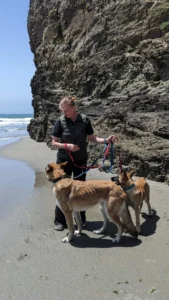
Pain Management Specialist
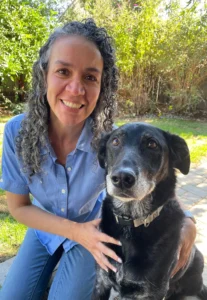
Integrative Medicine Practitioner
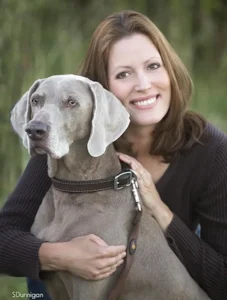
Board-Certified Surgeon
Located at 254 Gibson Drive in Roseville, our family-owned veterinary clinic provides compassionate, five-star care to pets throughout Roseville and the surrounding areas. Led by board-certified surgeon Dr. Erin Paster with over 20 years of experience, our team treats every pet with the same love and respect we would our own.
The information provided on this website has been reviewed by our veterinarians but is for educational purposes only. It should not replace professional veterinary advice, diagnosis, or treatment. If your pet is experiencing a medical concern, please contact our clinic at (916) 773-8578 or seek immediate veterinary care.
"*" indicates required fields
