
Hearing that your cat needs surgery can bring on a wave of questions, even when the procedure is routine. Cats often hide pain and illness until a condition has progressed, so a surgical recommendation can feel sudden, and pet parents naturally want to know what the procedure involves, how their cat will be monitored, and what recovery at home will look like.
At Stonebridge Veterinary Wellness, cat surgical care in Roseville, Rocklin, Lincoln, Granite Bay, Citrus Heights, and the surrounding Placer and Sacramento County communities is led by Dr. Erin Paster, our board certified surgeon, who brings extensive experience to feline surgical care. Our surgical protocols and anesthesia plans are built around feline physiology from the start, not simply adjusted down from canine medicine.
Cats are not small dogs, and the differences show up throughout the surgical process. Their smaller body size, faster metabolism, and distinct pain responses mean that dosing, monitoring, and recovery protocols built for cats tend to produce better outcomes than protocols adapted from canine medicine. Cat bones also tend to be more delicate than a similarly sized dog’s, which can call for adjusted approaches in orthopedic cases, and cats are known for hiding pain and illness more effectively than dogs, making close monitoring before and after surgery even more important.
Anesthesia is one of the areas where this difference matters most. Cats metabolize anesthetic drugs differently than dogs, and updated anesthesia guidelines for dogs and cats continue to refine safe dosing and monitoring practices specific to feline patients. Before any procedure, our team performs a pre-surgical screening that includes a physical examination and bloodwork to check organ function, since cats can hide underlying conditions until they become advanced. This screening helps our veterinarians tailor the anesthesia plan to each cat’s age and health status and gives cat owners a clearer picture of what to expect before the day of surgery.
Recovery time also varies with the procedure your cat needs. Our team gives you a clear, individualized recovery timeline for your cat and discusses the cost of care during the consultation, so pet parents can plan ahead with clear information rather than guesswork.
Our surgical team performs a range of feline procedures, each approached with protocols built around cat physiology and overseen by a board-certified surgeon.
Every procedure, whether routine or complex, includes a pre-surgical evaluation, anesthesia monitoring adapted for cats, and a recovery plan built around your cat’s needs.
Every feline surgical case at Stonebridge Veterinary Wellness is overseen by Dr. Erin Paster, our board certified surgeon, working alongside a team trained in feline anesthesia and monitoring. From spay and neuter procedures to dental surgery and more involved soft tissue or orthopedic cases, our protocols include pre-anesthetic bloodwork, continuous monitoring throughout the procedure, and a multimodal pain plan that begins before surgery and continues through recovery.
Pain management for feline patients is guided with input from Dr. Christina Venable, our pain management specialist, since cats often show only subtle signs of discomfort, such as reduced appetite, hiding, or changes in litterbox habits. Our post-operative monitoring is designed to catch these signs early and adjust care as needed. As a privately owned, family owned practice, we prioritize five-star client care and clear communication with cat owners from the initial consultation through follow-up visits.
What happens at the consultation? Your veterinarian examines your cat, reviews their health history, and discusses the recommended procedure, including what it involves and what recovery may look like.
What pre-op steps are typically required? Most cats need a physical exam and bloodwork before surgery to check organ function. Our veterinary team will also give instructions on fasting and any medication changes ahead of the appointment, and this is a good time to review preventative care and wellness screening if your cat is due for one.
What questions should I ask before surgery? Ask about the anesthesia and monitoring plan, the expected recovery timeline, at-home care instructions, and the cost of the procedure, so you know what to expect before the day of surgery.
When should I call the clinic after surgery? Contact us if your cat stops eating or drinking, shows signs of pain, has swelling or discharge at the incision site, or seems unusually lethargic during recovery.
Stonebridge Veterinary Wellness is a privately owned, family owned veterinary practice located at 254 Gibson Drive in Roseville, built around veterinary ethics, premium pet care, and client education. Our surgical program is led by Dr. Erin Paster, our board certified surgeon, alongside Dr. Christina Venable, our pain management specialist, and Dr. Arlene McKinstry, our integrative medicine practitioner, giving cat owners in Roseville, Rocklin, Lincoln, Granite Bay, Citrus Heights, and the surrounding Placer and Sacramento County communities access to a full surgical care team in one practice.
If your cat has been recommended for surgery, or you would like to discuss your options before moving forward with a procedure, our team is ready to help. Call us at (916) 773-8578 or contact us online, and we will walk you through what to expect at every step of your cat’s surgical care.
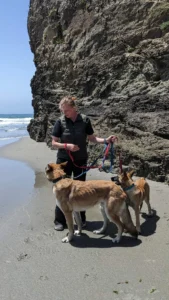
Pain Management Specialist
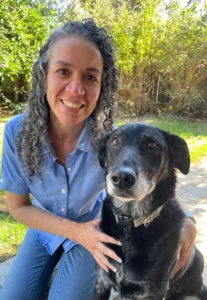
Integrative Medicine Practitioner
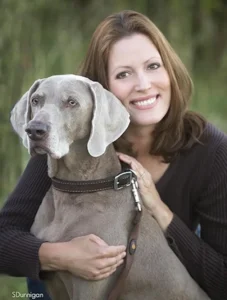
Board-Certified Surgeon
Located at 254 Gibson Drive in Roseville, our family-owned veterinary clinic provides compassionate, five-star care to pets throughout Roseville and the surrounding areas. Led by board-certified surgeon Dr. Erin Paster with over 20 years of experience, our team treats every pet with the same love and respect we would our own.
The information provided on this website has been reviewed by our veterinarians but is for educational purposes only. It should not replace professional veterinary advice, diagnosis, or treatment. If your pet is experiencing a medical concern, please contact our clinic at (916) 773-8578 or seek immediate veterinary care.
"*" indicates required fields
Age alone is not a reason to avoid surgery. Older cats can safely undergo many procedures when a thorough pre-surgical screening, including bloodwork and a physical exam, is used to identify and manage any underlying conditions that could affect anesthesia. Your veterinarian will tailor the anesthesia plan to your cat's age and health status.
Recovery time depends on the procedure your cat has. Our veterinary team will give you a recovery timeline specific to your cat's surgery, along with clear instructions for what to expect at home.
Yes. Spaying and neutering are surgical procedures performed under general anesthesia, and they are the most commonly performed surgeries in cats. Even though they are considered routine, they include the same pre-surgical screening, anesthesia monitoring, and pain management as other feline procedures.
Anesthesia monitoring for cats includes tracking heart rate, respiration, oxygen levels, and body temperature throughout the procedure, since cats metabolize anesthetic drugs differently than dogs. Pre-anesthetic bloodwork helps our team select and adjust the anesthesia plan for each cat.
Urgent surgery is needed for conditions such as trauma, a swallowed foreign object, or a urethral obstruction, all of which can become life threatening if not treated quickly. Elective procedures, such as spay, neuter, or many soft tissue and orthopedic repairs, can be scheduled in advance after a consultation.
Monitor your cat's eating, drinking, and litterbox habits, since changes in these behaviors can be a sign that something needs attention. Cats may also hide signs of pain, so watch for reduced activity, hiding, or reluctance to be handled near the surgical site, and contact our clinic if you notice anything concerning.
