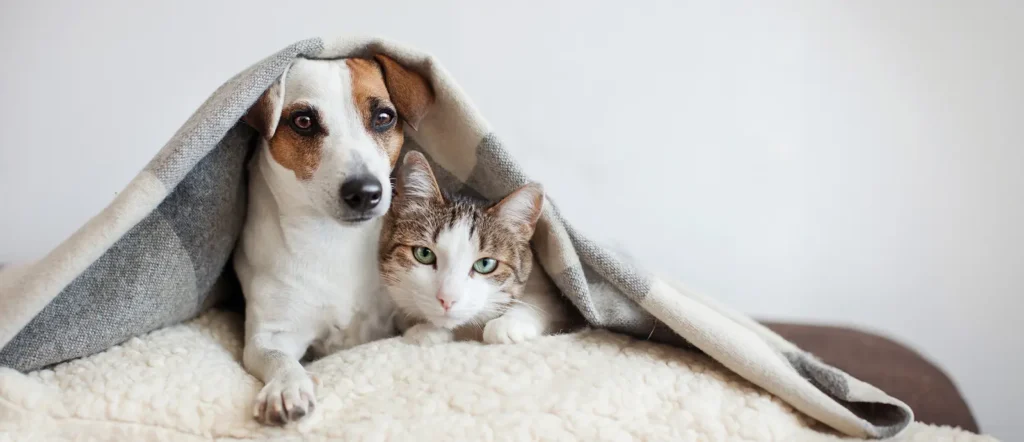
At Stonebridge Veterinary Wellness, we offer advanced patella luxation surgery to restore your pet’s mobility, along with dental care and early disease detection to keep them healthy and thriving.
Patella luxation, commonly known as kneecap dislocation, occurs when the kneecap slips out of its normal position from within the groove of the thigh bone. This orthopedic condition affects cats and dogs of all sizes and can cause varying degrees of lameness, pain, and mobility issues that significantly impact your pet’s quality of life and ability to engage in normal activities.
At Stonebridge Veterinary Wellness, our experienced veterinary surgeons in Roseville provide comprehensive evaluation and treatment for patella luxation cases. Dr. Erin Paster is a board-certified surgeon and brings extensive surgical experience to ensure your pet receives the highest quality orthopedic care, from initial diagnosis through complete recovery and rehabilitation.
Patella luxation can be either congenital or acquired, with congenital cases being more common in small and toy breed dogs. The condition is graded on a scale from Grade I to Grade IV, with each grade representing increasing severity of dislocation and associated symptoms. In Grade I cases, the patella occasionally dislocates but returns to normal position easily, while Grade IV represents permanent dislocation with severe deformity of the leg bones.
The condition occurs when the structures that normally keep the kneecap in place become weakened or malformed. This includes the groove in the thigh bone where the patella sits, the ligaments that hold it in position, and the muscles that control leg movement. When these structures fail to function properly, the patella can slip to either the inside or outside of the leg, causing pain, knee instability, cartilage wear, osteoarthritis, deformation of the bones, and abnormal movement patterns.
Dogs and cats with patella luxation may exhibit various symptoms depending on the severity of their condition. Mild cases might show occasional skipping or hopping on the affected leg, particularly during play or exercise. More severe cases can cause persistent lameness, difficulty bearing weight on the affected limb, and visible deformity of the leg structure.
Many pet owners notice their dog will suddenly lift the affected leg while walking, then continue normally after a few steps. This “skip” occurs when the patella dislocates temporarily and then returns to its normal position. Over time, untreated patella luxation can lead to arthritis, cartilage damage, deformation of bones, and progressive weakening of the supporting muscles around the knee joint. Because patella luxation also results in knee instability, this can lead to other sequelae such as anterior cruciate ligament (ACL) tears and meniscal tears, which further damage the joint and worsen your pet’s pain and lameness.
Diagnosing patella luxation requires a thorough orthopedic examination where our veterinary team evaluates the stability of the kneecap and assesses the degree of luxation. We carefully manipulate the joint to determine how easily the patella dislocates and whether it returns to normal position on its own or requires manual replacement.
Diagnostic imaging, including X-rays, helps us evaluate the bone structure and identify any skeletal abnormalities that may be contributing to the condition. These images allow us to assess the alignment of the leg bones, and any signs of arthritis or other joint changes that may influence our treatment recommendations.
Treatment recommendations for patella luxation depend on several factors, including the grade of luxation, the age and activity level of your pet, and the presence of any other orthopedic conditions. Conservative management may be appropriate for some Grade I cases, while surgical intervention is typically recommended for Grade II, III and IV luxations to prevent progressive joint damage.
Dr. Paster carefully evaluates each case to determine the most appropriate surgical technique based on your pet’s specific anatomy and the underlying causes of their patella luxation. We consider factors such as bone structure, muscle development, and overall health status when developing individualized treatment plans that optimize outcomes and minimize recovery time. Dr. Paster also strategically uses the least invasive repair methods whenever possible to reduce anesthesia time, reduce cost, decrease post-surgical complications and aid in a more rapid recovery for your pet.
Several surgical techniques can be used to correct patella luxation, often in combination to address all contributing factors. Trochlear groove deepening involves surgically creating a deeper groove in the thigh bone to provide better stability for the patella. This technique helps prevent the kneecap from slipping out of position during normal movement and activity.
Soft tissue procedures are also frequently performed to tighten loose ligaments or release tight structures that contribute to abnormal patella positioning. In some cases, tibial tuberosity transposition is done to reposition the attachment point of the patellar ligament to improve the alignment of forces acting on the kneecap. This procedure helps ensure that the patella tracks properly within its groove during leg movement.
If an ACL or meniscal tear is also diagnosed, additional procedures such as an extracapsular repair, TPLO (Tibial Plateau Leveling Osteotomy) or partial meniscectomy can be performed concurrently under the same anesthesia to treat these conditions. Once the pre-operative diagnostic tests are complete, our surgical team will discuss the recommended surgical procedures and anticipated surgical recovery instructions in detail so you know what to expect. At Stonebridge Veterinary Wellness, our surgical team believes that education of pet owners and transparency about your pet’s surgical procedure and recovery are an important contribution to surgical success.
Each patella luxation case requires individualized surgical planning based on the specific anatomical abnormalities present. Our surgical team uses pre-operative imaging, physical examination findings and intra-operative assessments to determine which combination of procedures will provide the best outcome for your pet’s particular condition.
The complexity of the surgery depends on the grade of luxation, size of the pet, and the degree of skeletal deformity present. Higher-grade luxations may require more extensive reconstruction, while lower grades might be successfully treated with less invasive techniques that preserve more of the normal joint anatomy.
Post-surgical recovery for patella luxation typically involves a period of restricted activity followed by a gradual return to normal exercise levels. Immediately following surgery, your pet will need to rest and limit their movement to allow proper healing of the surgical site and surrounding tissues. Pain management is an important component of recovery, ensuring your pet remains comfortable while healing progresses.
Physical rehabilitation plays a crucial role in successful recovery from patella luxation surgery. This may include controlled exercise programs, range of motion exercises, and strengthening activities designed to rebuild muscle mass and improve joint function. Our team provides detailed home care instructions and works with you to ensure your pet follows an appropriate rehabilitation program.
Regular follow-up appointments allow our veterinary team to monitor your pet’s healing progress and ensure that the surgical repair is functioning properly. These appointments typically include physical examination, assessment of limb function, and periodic X-rays to evaluate the position of any implants and the overall success of the surgical correction.
Most pets show significant improvement in limb function within the first few weeks following surgery, with continued improvement over several months as muscle strength returns and joint function normalizes. Our team provides ongoing support throughout the recovery process to address any concerns and optimize your pet’s return to normal activity.
Most dogs experience excellent long-term outcomes following surgical correction of patella luxation, with significant improvement in comfort and mobility. Success rates are highest when surgery is performed before severe arthritis or bone deformity develops, emphasizing the importance of early diagnosis and treatment of this condition.
Regular monitoring for signs of arthritis development in the affected joint helps ensure long-term joint health. While some degree of arthritis may develop over time, appropriate management can help minimize its impact on your pet’s comfort and mobility throughout their lifetime.
While patella luxation is often a congenital condition that cannot be prevented, maintaining appropriate body weight and providing regular exercise can help support overall joint health. For pets at risk for patella luxation, avoiding activities that place excessive stress on the knee joints may help prevent progression of mild cases.
Regular veterinary examinations help identify patella luxation in its early stages, when treatment options may be more conservative and outcomes are typically better. Early intervention often prevents the development of secondary complications such as severe cartilage wear, bone deformity, advanced arthritis, muscle atrophy, and ACL or meniscal tears.
Our commitment to orthopedic surgery excellence ensures that your pet receives the most advanced and effective treatment available for patella luxation. We combine Dr. Paster’s expert surgical experience with compassionate care to support both you and your pet throughout the treatment process. Our state-of-the-art surgical facility and comprehensive pain management protocols ensure your pet’s comfort and promote safety during their surgical experience.
If you’re concerned about lameness or abnormal movement in your pet, or if your dog has been diagnosed with patella luxation, we encourage you to schedule a consultation with our surgical team. Call us at (916) 773-8578 or contact us to discuss treatment options and learn more about how we can help restore your pet’s comfort and mobility.
Pain Management Specialist
Integrative Medicine Practitioner
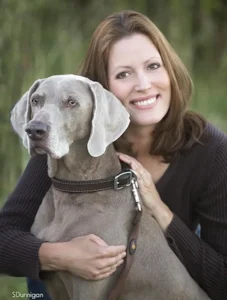
Board-Certified Surgeon
Located at 254 Gibson Drive in Roseville, our family-owned veterinary clinic provides compassionate, five-star care to pets throughout Roseville and the surrounding areas. Led by board-certified surgeon Dr. Erin Paster with over 20 years of experience, our team treats every pet with the same love and respect we would our own.
The information provided on this website has been reviewed by our veterinarians but is for educational purposes only. It should not replace professional veterinary advice, diagnosis, or treatment. If your pet is experiencing a medical concern, please contact our clinic at (916) 773-8578 or seek immediate veterinary care.



CALL US AT 916-773-8578 and speak directly to one of our
team members. WE CAN’t WAIT TO HEAR FROM YOU!

Monday: 8 AM–6 PM
Tuesday: 8 AM–6 PM
Wednesday: 9 AM–4 PM
available for calls, prescription pickups, scheduling, and triage
Thursday: 8 AM–6 PM
Friday: 8 AM–6 PM
Saturday: 9 AM–2 PM
Sunday: Closed
New clients only
Give your furry family member the preventive care they deserve. Schedule your pet's comprehensive wellness examination at Stonebridge Veterinary Wellness for only $44.50 — a special rate exclusively for new clients.
Our wellness exams focus on preventive health care to keep your pet healthy and happy. During a wellness visit, our doctors perform thorough physical examinations, discuss your pet's nutritional needs, address any behavioral concerns, and recommend preventive treatments tailored to your pet's age and lifestyle.
This promotion applies to wellness examinations only and cannot be combined with other offers. Not valid for sick patient visits or urgent care appointments. Offer valid through March 31, 2026.