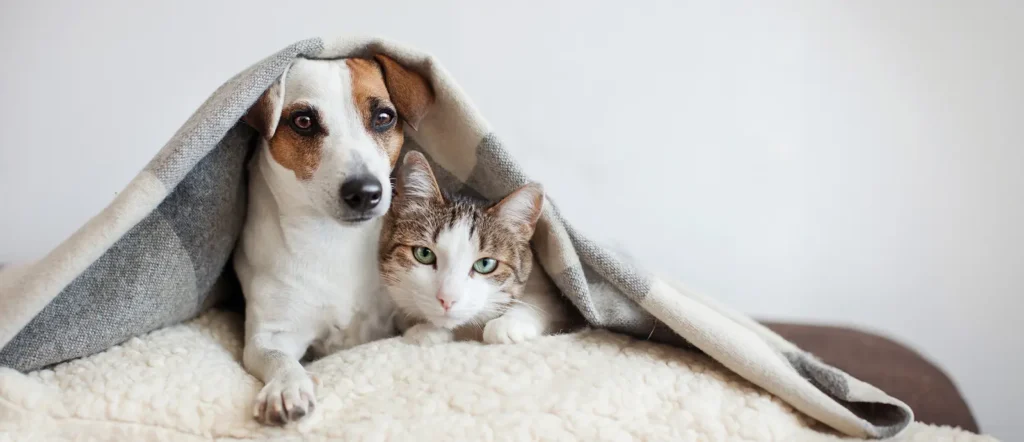
At Stonebridge Veterinary Wellness, we provide specialized femoral head ostectomy (FHO) surgery to relieve hip pain and improve mobility, along with dental care and early disease detection to support your pet’s long-term health.
Femoral head ostectomy (FHO) represents a surgical solution for severe hip joint problems when other treatment options have been exhausted or are not suitable for your pet’s condition. This orthopedic procedure involves removing the femoral head and neck from the thigh bone, eliminating the painful bone-on-bone contact that occurs in diseased hip joints affected by severe hip dysplasia, hip luxation, or degenerative conditions. The FHO procedure allows the body to create a false joint from scar tissue, providing significant improvement in mobility and pain relief for many pets.
At Stonebridge Veterinary Wellness, our surgical team in Roseville and the surrounding areas provides comprehensive evaluation and treatment for pets requiring femoral head ostectomy. Dr. Erin Paster is a board-certified surgeon with over 20 years of experience performing orthopedic procedures, bringing advanced surgical training to help your pet achieve the best possible outcome. With careful attention to surgical technique, pain management, and proper rehabilitation, we help most pets return to a pain-free, active lifestyle.
The normal hip joint is a ball-and-socket joint where the femoral head (the ball-shaped end of the thigh bone) fits into the hip socket (acetabulum) of the pelvic bone. This ball-and-socket joint allows for smooth, pain-free movement in a healthy hip. However, when this joint becomes severely damaged due to hip dysplasia, traumatic injury, infection, or other conditions, the resulting bone-on-bone contact causes chronic pain and mobility limitations that dramatically impact your pet’s quality of life.
Hip dysplasia occurs when the normal hip joint develops abnormally, leading to joint laxity, instability, cartilage damage, and progressive, severe arthritis. In a normal hip, the femoral head and neck move smoothly within the hip socket. When hip dysplasia or other conditions destroy this smooth articulation, the diseased hip joints cause significant hip pain and lameness that may not respond adequately to conservative management.
The FHO procedure addresses this problem by surgically removing the damaged femoral head and neck. While this changes how the hip joint functions, the body compensates by forming a false joint created by scar tissue and supported by the surrounding muscles. This false joint allows the affected leg to bear weight and move without the bone-on-bone contact that causes chronic pain.
Several conditions may necessitate femoral head ostectomy either as the primary recommended treatment or when conservative treatments have failed to provide adequate pain relief:
Moderate to severe hip dysplasia with advanced joint damage and severe arthritis represents the most common indication for the FHO procedure, particularly in cases where total hip replacement is not feasible due to patient size, age, or financial considerations. Small breed dogs and cats with hip dysplasia often achieve excellent outcomes with head ostectomy, as their lighter body weight allows the false joint to function effectively.
Hip luxation that cannot be successfully reduced or stabilized may require femoral head ostectomy, especially when repeated dislocations occur despite attempts at conservative management. Fractures involving the acetabulum, femoral head, or femoral neck that cannot be repaired surgically may also benefit from this surgical procedure to eliminate hip pain and restore function.
Legg-Perthes disease, also called Aseptic Necrosis of the Femoral Head, causes deformation and deterioration of the femoral head, making smooth articulation of the ball and socket joint impossible. This condition results in substantial hip pain and lameness, particularly in small breed dogs. FHO surgery provides highly successful treatment, offering dogs significant improvement and often restored quality of life.
A comprehensive evaluation helps determine whether femoral head ostectomy is the most appropriate treatment option for your pet’s hip condition. This assessment begins with a thorough physical exam, evaluation of gait and mobility, and assessment of chronic pain levels to understand the impact of the hip problem on your pet’s daily activities.
Diagnostic imaging, including X-rays, provides detailed information about the extent of joint damage and helps confirm that the FHO procedure is likely to provide pain relief and functional improvement. Our veterinarians also evaluate your pet’s overall health status to confirm they are a good candidate for general anesthesia and the surgical procedure.
Femoral head ostectomy can be performed on dogs and cats of various sizes, though outcomes may vary based on patient factors. Small breed dogs and cats typically adapt more readily to the procedure and achieve excellent pain-free mobility. Large breed dogs can also benefit from FHO surgery, though they may require more intensive physical therapy and proper rehabilitation to achieve optimal outcomes and rebuild muscle mass in the affected leg.
Patient age, activity level, concurrent health conditions, and degree of muscle atrophy are all considered when determining surgical candidacy. The procedure is typically reserved for cases where conservative management has been unsuccessful or where other surgical options, like total hip replacement, are not appropriate for the individual patient.
Femoral head ostectomy is performed under general anesthesia using sterile surgical technique. The surgical procedure involves making an incision over the hip joint to access the femoral head and neck. The head ostectomy is performed by carefully removing the femoral head and neck from the thigh bone, eliminating the source of bone-on-bone contact and hip pain.
The surrounding muscles and soft tissues are then sutured to provide support and stability as the healing process begins. Proper surgical technique is critical for optimal outcomes, which is why having a board-certified surgeon like Dr. Paster perform these orthopedic procedures provides important advantages in precision and surgical skill.
Effective pain management is a priority following FHO surgery. We use multimodal pain relief strategies, including injectable and oral medications to keep your pet comfortable during the initial recovery period. Most pets show significant improvement in comfort within the first few days as the source of chronic pain has been removed, even as surgical healing continues.
The healing process typically takes 4-6 weeks for bone and soft tissue healing, though functional improvement continues for several months as the false joint develops and surrounding muscles strengthen. During this time, pain management protocols are adjusted based on your pet’s individual needs and progress.
Proper rehabilitation is essential for optimal outcomes following femoral head ostectomy. The goal is to help your pet with weight management on the affected leg, rebuild muscle mass, and develop a functional false joint that provides pain-free mobility. Physical therapy begins within days of the FHO procedure and continues throughout the healing process.
During the initial healing period, rehabilitation focuses on gentle movement to prevent muscle atrophy while avoiding excessive stress on the surgical site. Short leash walks of 5-10 minutes several times daily help maintain muscle tone without compromising proper healing. The hip should be moved through gentle range-of-motion exercises to prevent stiffness, but rough play and uncontrolled activity must be avoided.
Gentle massage of the surrounding muscles helps reduce tension and discomfort while promoting circulation. Most pets begin to bear weight on the affected leg within the first week, though some may take longer depending on pre-existing muscle atrophy and individual healing rates.
As healing progresses, physical therapy becomes more intensive. Short leash walks are gradually increased in duration and frequency. Swimming or underwater treadmill therapy, when available, provides excellent low-impact exercise that helps rebuild muscle mass without excessive stress on the developing false joint.
Specific exercises to strengthen the hip and thigh muscles are introduced, helping the affected leg regain full function. The surrounding muscles play a critical role in supporting the false joint, so building muscle strength through proper rehabilitation is essential for long-term success.
Most pets achieve significant improvement in mobility and pain relief following femoral head ostectomy with proper rehabilitation. Small breed dogs and cats often return to near-normal function within 8-12 weeks. Large breed dogs may require 3-6 months of rehabilitation, but can still achieve excellent outcomes with dedicated physical therapy and gradual return to normal activities.
Many pets treated with FHO surgery enjoy a pain-free, active lifestyle for years following the procedure. While the false joint functions differently from a normal hip joint, most pets adapt remarkably well and show minimal lameness once fully recovered.
When evaluating surgical options for severe hip joint disease, both femoral head ostectomy and total hip replacement may be considered. Total hip replacement involves replacing the diseased hip joints with artificial components, recreating a normal ball-and-socket joint. This procedure typically provides excellent outcomes but requires significant financial investment and is generally performed only by veterinary surgeons with advanced orthopedic training.
The FHO procedure offers several advantages, particularly for small-breed dogs, cats, and cases where total hip replacement is not feasible. FHO surgery is less expensive, has fewer potential complications, and can provide excellent pain relief and functional outcomes for appropriately selected patients. Dr. Paster can help you understand which surgical option is most appropriate for your pet’s specific condition, size, and needs.
Femoral head ostectomy requires precise surgical technique to achieve optimal outcomes. The femoral head and neck must be removed completely to prevent bone fragments from causing continued pain, while preserving adequate surrounding muscle attachments for support of the false joint. Proper surgical planning and execution significantly impact the healing process and final functional outcome.
Dr. Paster’s training as a board-certified surgeon provides advanced expertise in orthopedic procedures like FHO. Her surgical precision and understanding of bone healing, soft tissue management, and proper rehabilitation protocols help maximize your pet’s potential for a successful outcome and return to a pain-free, active life.
Following femoral head ostectomy, ongoing support includes monitoring for proper healing, adjusting pain management as needed, and guiding rehabilitation progress. We provide detailed instructions for home care and are available to answer questions throughout your pet’s recovery. Our goal is to help your pet achieve the best possible outcome from FHO surgery and return to enjoying their favorite activities without chronic pain.
If your pet is experiencing hip pain, lameness, or has been diagnosed with hip dysplasia, hip luxation, or other hip joint conditions, contact Stonebridge Veterinary Wellness at (916) 773-8578 to discuss whether femoral head ostectomy may be an appropriate treatment option. Dr. Paster’s expertise as a board-certified surgeon and commitment to comprehensive pain management and proper rehabilitation can help your pet achieve significant improvement in comfort and mobility.
Pain Management Specialist
Integrative Medicine Practitioner
Board-Certified Surgeon
Located at 254 Gibson Drive in Roseville, our family-owned veterinary clinic provides compassionate, five-star care to pets throughout Roseville and the surrounding areas. Led by board-certified surgeon Dr. Erin Paster with over 20 years of experience, our team treats every pet with the same love and respect we would our own.
The information provided on this website has been reviewed by our veterinarians but is for educational purposes only. It should not replace professional veterinary advice, diagnosis, or treatment. If your pet is experiencing a medical concern, please contact our clinic at (916) 773-8578 or seek immediate veterinary care.




CALL US AT 916-773-8578 and speak directly to one of our
team members. WE CAN’t WAIT TO HEAR FROM YOU!

Monday: 8 AM–6 PM
Tuesday: 8 AM–6 PM
Wednesday: 9 AM–4 PM
available for calls, prescription pickups, scheduling, and triage
Thursday: 8 AM–6 PM
Friday: 8 AM–6 PM
Saturday: 9 AM–2 PM
Sunday: Closed
New clients only
Give your furry family member the preventive care they deserve. Schedule your pet's comprehensive wellness examination at Stonebridge Veterinary Wellness for only $44.50 — a special rate exclusively for new clients.
Our wellness exams focus on preventive health care to keep your pet healthy and happy. During a wellness visit, our doctors perform thorough physical examinations, discuss your pet's nutritional needs, address any behavioral concerns, and recommend preventive treatments tailored to your pet's age and lifestyle.
This promotion applies to wellness examinations only and cannot be combined with other offers. Not valid for sick patient visits or urgent care appointments. Offer valid through March 31, 2026.