At Stonebridge Veterinary Wellness, we know early detection is vital to lifelong health. That’s why our care in Roseville, California, includes lump and bump screening and treatment for pets, along with dental checks, vaccinations, and routine lab work—keeping your furry friend happy, healthy, and protected.
Discovering a lump or bump on your pet can be alarming, but early detection and proper evaluation are key to ensuring the best possible outcome. Many lumps and bumps in pets are benign, but some may require immediate attention or treatment. Professional veterinary evaluation is essential to determine the nature of any abnormal growth and develop an appropriate treatment plan tailored to your pet’s specific needs.
At Stonebridge Veterinary Wellness, we understand the concern that comes with finding an unusual growth on your beloved companion. Our comprehensive preventative care services include thorough lumps and bumps screening as part of our commitment to early detection and optimal health outcomes. As a family-owned practice in Roseville, we combine advanced diagnostic capabilities with compassionate care to provide accurate diagnoses and effective treatment options for all types of skin and subcutaneous masses.
Lumps and bumps can appear anywhere on your pet’s body and may vary significantly in size, texture, and appearance. These growths can develop in the skin, subcutaneous tissue, or deeper structures, and their characteristics often provide important clues about their nature and potential significance. Understanding the different types of masses that can affect pets helps owners recognize when veterinary evaluation is necessary.
Benign masses are non-cancerous growths that typically grow slowly and do not spread to other parts of the body. Common benign masses include lipomas (fatty tumors), sebaceous cysts, and histiocytomas. While these growths are generally not life-threatening, they may require removal if they become large, ulcerated, or interfere with your pet’s comfort or mobility.
Malignant masses are cancerous growths that have the potential to spread to other organs or tissues. These masses may grow rapidly, feel firm or irregular, and may be attached to underlying structures. Early detection and treatment of malignant masses significantly improve treatment outcomes and your pet’s prognosis.
Regular screening for lumps and bumps should be part of every pet owner’s routine care regimen. Monthly at-home examinations, combined with professional veterinary screening during wellness visits, provide the best opportunity for early detection of abnormal growths. Early identification allows for prompt evaluation and treatment when interventions are most likely to be successful.
During routine screening, we systematically examine your pet’s entire body, including areas that may be difficult for owners to assess at home. Our experienced veterinarian in Roseville is trained to identify subtle changes in skin texture, unusual growths, and masses that may require further evaluation. We also educate pet owners on proper examination techniques to perform between veterinary visits.
Certain factors may increase your pet’s risk of developing masses, including age, breed, genetics, and environmental exposures. Senior pets are more likely to develop various types of growths, making regular screening particularly important as animals age. Some dog breeds, such as Golden Retrievers, Labrador Retrievers, and German Shepherds, have higher predispositions to certain types of masses.
Environmental factors, including sun exposure, may contribute to the development of certain skin cancers, particularly in light-colored or thin-coated animals. Previous injuries or chronic irritation may also predispose areas to abnormal tissue growth. Understanding these risk factors helps us develop appropriate screening protocols for individual pets.
Our thorough lumps and bumps screening begins with a complete physical examination, during which we systematically palpate your pet’s entire body to identify any masses or abnormal growths. We assess each finding for size, shape, texture, mobility, and attachment to surrounding tissues. These characteristics provide important information about the likely nature of the mass and help guide diagnostic recommendations.
We document the location, size, and characteristics of all masses to track changes over time. Photography may be used to provide visual documentation, and measurements are recorded to monitor growth rates during subsequent examinations. This systematic approach ensures that no abnormalities are overlooked and provides baseline information for ongoing monitoring.
When masses are identified, we discuss our findings with you and explain the significance of various characteristics. We provide clear explanations of why certain masses may require immediate attention while others can be monitored over time.
When masses require further evaluation, we utilize various diagnostic techniques to determine their nature and develop appropriate treatment plans. Fine needle aspiration is often the first diagnostic step, involving the collection of cells from the mass using a small needle. This minimally invasive procedure can often be performed without sedation and provides valuable information about the cellular composition of the growth.
Cytological examination of aspirated cells helps differentiate between benign and malignant masses, identify inflammatory conditions, and guide treatment decisions. While cytology provides important information, some masses may require tissue biopsy for definitive diagnosis, particularly when cytological findings are inconclusive or when specific tumor classification is needed for treatment planning.
Advanced imaging techniques, including ultrasound or radiography, may be recommended to evaluate the extent of masses, assess involvement of underlying structures, or identify potential metastatic spread. These diagnostic tools help us develop comprehensive treatment plans and provide accurate prognostic information.
Treatment recommendations for lumps and bumps depend on several factors, including the type of mass, its location, size, and your pet’s overall health status. Many benign masses can be monitored over time without immediate intervention, while others may require surgical removal to prevent complications or improve your pet’s comfort.
Surgical excision remains the treatment of choice for most masses that require intervention. Our surgical approach focuses on complete removal with appropriate margins to prevent recurrence while minimizing impact on surrounding healthy tissues. We utilize advanced surgical techniques and pain management protocols to ensure optimal outcomes and comfortable recovery.
For masses in challenging locations or those involving vital structures, we recommend that our board-certified surgeon, Dr. Erin Paster, performs the surgical procedure at our clinic, and may also coordinate with oncology specialists to ensure your pet receives the most appropriate care. Our goal is always to provide the best possible outcome while maintaining your pet’s quality of life.
Pets that have had masses removed require ongoing monitoring to detect potential recurrence and ensure proper healing. We establish follow-up schedules based on the type of mass removed, surgical margins achieved, and individual risk factors. Regular recheck examinations allow us to assess healing, monitor for complications, and detect any new growths that may develop.
For benign masses that do not require immediate removal, we establish monitoring protocols to track changes in size, appearance, or characteristics over time. Owners are educated on warning signs that would indicate the need for immediate veterinary attention, such as rapid growth, ulceration, or changes in texture.
We maintain detailed medical records documenting all masses, treatments provided, and follow-up findings. This comprehensive documentation helps guide future care decisions and provides valuable information for ongoing health management.
While not all lumps and bumps can be prevented, certain measures may help reduce your pet’s risk of developing problematic masses. Protection from excessive sun exposure, particularly for light-colored or thin-coated animals, may help prevent certain types of skin cancer. Maintaining a healthy weight and providing regular exercise support overall health and immune function.
Regular grooming and handling help owners become familiar with their pet’s normal body contours, making it easier to detect new growths early. We recommend monthly at-home examinations as part of routine pet care, focusing on areas such as the neck, armpits, abdomen, groin, and limbs where masses commonly develop.
Prompt attention to minor injuries or areas of chronic irritation may help prevent the development of reactive masses or complications. We encourage owners to contact us with questions about any new growths or changes in existing masses rather than adopting a wait-and-see approach.
Certain characteristics of lumps and bumps warrant immediate veterinary evaluation. Rapidly growing masses, ulcerated or bleeding growths, masses that feel firm and immobile, or growths that cause pain or discomfort should be examined promptly. Additionally, any mass that interferes with your pet’s normal activities, eating, breathing, or mobility requires urgent attention.
Changes in existing masses, such as sudden growth, change in texture, or development of ulceration, also indicate the need for immediate evaluation. We encourage pet owners to err on the side of caution and seek professional assessment for any concerning findings rather than waiting to see if changes continue.
Our team is available to address questions about new findings and can often accommodate urgent appointments for concerning masses. Early evaluation and intervention provide the best opportunity for successful outcomes and peace of mind for pet owners.
At Stonebridge Veterinary Wellness, we combine advanced diagnostic capabilities with surgical experience to provide comprehensive care for pets with lumps and bumps. Dr. Erin Paster, our board-certified surgeon with over 20 years of experience, brings specialized knowledge to the evaluation and treatment of masses, ensuring your pet receives expert care throughout the diagnostic and treatment process.
Our state-of-the-art facility provides a comfortable environment for both routine screening and more complex surgical procedures. We are committed to clear communication throughout the evaluation and treatment process, ensuring that you understand your pet’s condition and feel confident in the care decisions we make together. Contact us today at (916) 773-8578 or schedule an appointment through our website to discuss lumps and bumps screening for your beloved companion.
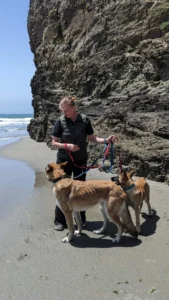
Pain Management Specialist
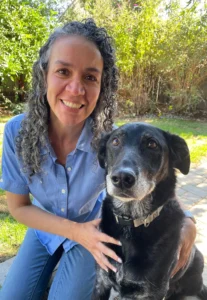
Integrative Medicine Practitioner
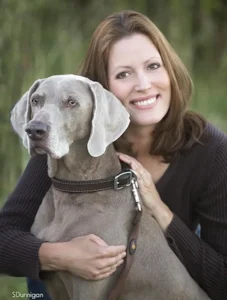
Board-Certified Surgeon
Located at 254 Gibson Drive in Roseville, our family-owned veterinary clinic provides compassionate, five-star care to pets throughout Roseville and the surrounding areas. Led by board-certified surgeon Dr. Erin Paster with over 20 years of experience, our team treats every pet with the same love and respect we would our own.
The information provided on this website has been reviewed by our veterinarians but is for educational purposes only. It should not replace professional veterinary advice, diagnosis, or treatment. If your pet is experiencing a medical concern, please contact our clinic at (916) 773-8578 or seek immediate veterinary care.




CALL US AT 916-773-8578 and speak directly to one of our
team members. WE CAN’t WAIT TO HEAR FROM YOU!
Monday: 8 AM–6 PM
Tuesday: 8 AM–6 PM
Wednesday: 9 AM–4 PM
available for calls, prescription pickups, scheduling, and triage
Thursday: 8 AM–6 PM
Friday: 8 AM–6 PM
Saturday: 9 AM–2 PM
Sunday: Closed
New clients only
Give your furry family member the preventive care they deserve. Schedule your pet's comprehensive wellness examination at Stonebridge Veterinary Wellness for only $44.50 — a special rate exclusively for new clients.
Our wellness exams focus on preventive health care to keep your pet healthy and happy. During a wellness visit, our doctors perform thorough physical examinations, discuss your pet's nutritional needs, address any behavioral concerns, and recommend preventive treatments tailored to your pet's age and lifestyle.
This promotion applies to wellness examinations only and cannot be combined with other offers. Not valid for sick patient visits or urgent care appointments. Offer valid through March 31, 2026.