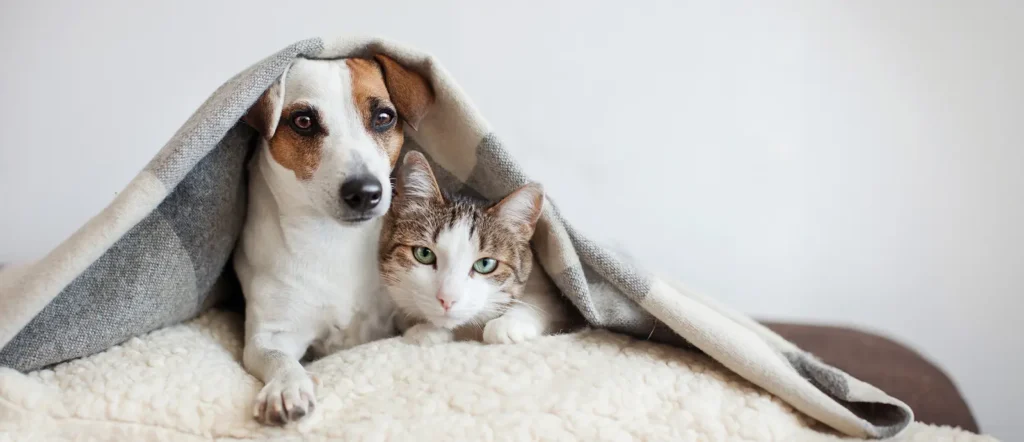
When you notice your dog trembling at the sound of thunder or your cat hiding under the bed for hours, you’re witnessing more than a little fear. Anxiety in pets manifests through behaviors ranging from excessive barking and destructive chewing to withdrawal and aggression, affecting both their quality of life and your peace of mind. Fortunately, you can take steps to transform your home into a sanctuary where your anxious companion feels safe and secure.
At Stonebridge Veterinary Wellness, we understand how challenging it can be to watch your pet struggle with anxiety. Our team of compassionate veterinarians works closely with families throughout Roseville and the surrounding areas to address behavioral concerns through comprehensive care. With years of veterinary experience and an on-site trainer, we help you create lasting solutions for your pet’s emotional well-being. Our services combine medical assessment with behavioral training to give your pet the best chance at a calm, happy life.
How to Create a Calming Environment for Your Anxious Pet
Creating a peaceful space for your anxious pet involves multiple strategies working together. From identifying triggers to establishing consistent routines, the following elements contribute to your companion’s sense of security:
Understanding Your Pet’s Anxiety Triggers
Identifying what causes your pet’s stress is the first step in creating a calming environment. Common triggers include loud noises, such as fireworks or thunderstorms, separation from family members, unfamiliar people or animals, and changes in routine or environment. Some pets develop anxiety after traumatic experiences, while others may have genetic predispositions to nervous behavior.
Pay attention to your pet’s body language and behavioral patterns. Dogs might pant excessively, pace, or refuse to eat, while cats often hide, over-groom, or eliminate outside the litter box. Keep a journal noting when anxiety episodes occur and what preceded them. This information helps you and our veterinarians develop targeted strategies for managing your pet’s specific triggers.
Creating Physical Spaces That Promote Calm
Your home environment plays a significant role in managing pet anxiety. Designate a quiet “safe zone” where your pet can retreat when feeling overwhelmed. This space should be away from high-traffic areas and include comfortable bedding, familiar toys, and items with your scent. For dogs, a crate with soft bedding can provide a den-like sanctuary, while cats benefit from elevated perches or enclosed hideaways.
Consider the sensory elements of your home. Reduce loud noises by using white noise machines or calming music designed for pets. Maintain consistent lighting schedules to support your pet’s natural circadian rhythms. You might also try pheromone diffusers, which release calming scents that help reduce stress without any medicinal side effects. These environmental modifications work together to create a more peaceful atmosphere for anxious animals.
Establishing Routines and Positive Associations
Consistency provides anxious pets with a sense of security and predictability. Feed your pet at the same time each day, maintain regular exercise schedules, and establish a consistent bedtime routine. Predictable patterns help reduce uncertainty, which often fuels anxiety. When changes are unavoidable, introduce them gradually to give your pet time to adjust.
Building positive associations with previously stressful situations can also help. If your dog fears car rides, start by sitting in the parked vehicle with treats and praise. Gradually progress to short trips to enjoyable destinations. For cats anxious about carrier travel, leave the carrier out as a comfortable resting spot between vet visits. Patience and positive reinforcement reshape your pet’s emotional responses over time.
Professional Support for Behavioral Concerns
While environmental changes and routines form the foundation of anxiety management, some pets need additional support. Our team can evaluate whether your pet’s anxiety stems from medical issues or if behavioral intervention is needed. Certain health conditions, including pain or hormonal imbalances, can manifest as anxious behavior. A thorough examination rules out underlying medical causes.
When behavioral training is appropriate, we work with you to develop a customized approach. Our on-site trainer helps families implement techniques like desensitization and counter-conditioning. For moderate to severe cases, we may recommend working with our pain management consultants or considering additional therapeutic options. Every pet responds differently, so we tailor our approach to your companion’s unique needs. You can learn more about our comprehensive approach to behavioral medicine through our family-owned practice.
Contact Stonebridge Veterinary Wellness to Get Trusted Support for Your Anxious Pet
Helping your anxious pet find peace requires patience, consistency, and the right support system. At Stonebridge Veterinary Wellness, our doctors combine medical knowledge with genuine compassion to address behavioral concerns in dogs and cats. As a family-owned practice, we take time to understand your pet’s individual challenges and develop solutions tailored to your household. Our state-of-the-art facility and experienced team provide the comprehensive care your anxious pet deserves.
You don’t have to navigate pet anxiety alone. Whether your companion needs environmental adjustments, behavioral training, or medical evaluation, we’re here to help. Our commitment to five-star compassionate care means we support both you and your pet through every step of the process. Contact us today to begin your pet’s journey toward a calmer, more confident life.