Your pet’s digestive health plays a fundamental role in their overall well-being, yet gastrointestinal problems are among the most common reasons pet owners seek veterinary care. From occasional upset stomachs to chronic digestive conditions, these issues can significantly impact your companion’s quality of life and may signal underlying health concerns that require prompt medical attention.
At Stonebridge Veterinary Wellness, our experienced veterinary team understands how distressing it can be when your pet experiences digestive discomfort. As a family-owned practice serving Roseville, Rocklin, Lincoln, Granite Bay, Citrus Heights, and the surrounding areas, we provide comprehensive diagnostic services to identify the root cause of gastrointestinal issues and develop personalized treatment plans that address your pet’s unique needs. We combine advanced medical care with compassionate support to help your furry family member feel better as quickly as possible.
Common Signs of Gastrointestinal Problems
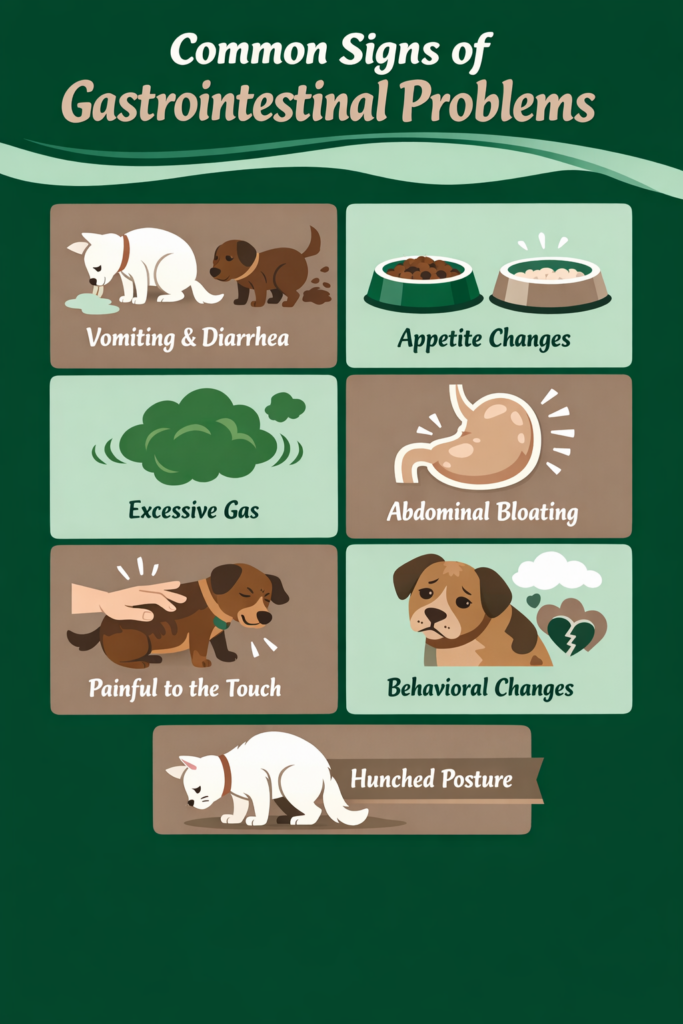
Recognizing the symptoms of digestive issues early can make a significant difference in your pet’s recovery. While occasional mild symptoms may resolve on their own, persistent or severe symptoms warrant professional evaluation.
Vomiting and diarrhea are the most obvious indicators of gastrointestinal distress, but other symptoms can be equally important. Changes in appetite, whether your pet is eating less or refusing food entirely, often signal digestive discomfort. You might also notice increased gas, abdominal bloating, or visible discomfort when their abdomen is touched. Behavioral changes frequently accompany gastrointestinal issues as well. Your pet may become lethargic, seek isolation, or display unusual postures such as a hunched back or reluctance to move.
Understanding the Causes of Gastrointestinal Issues in Pets
Gastrointestinal problems in pets can stem from a range of causes, from simple dietary indiscretion to complex medical conditions of many different organ systems. Research from Texas A&M University indicates that gastrointestinal signs such as vomiting, diarrhea, anorexia, or weight loss are among the most common reasons dog and cat owners make non-routine appointments with veterinarians.
Many cases result from pets consuming something they shouldn’t have, whether it’s table scraps, spoiled food, or non-food items. Sudden changes in diet, even when switching to higher-quality food, can also upset your pet’s digestive system if the transition isn’t gradual enough. Specific to cats, hairballs are a common cause of gastrointestinal upset and vomiting.
Parasites are another common culprit, particularly in younger animals or those who spend time outdoors. Food allergies or intolerances may develop over time, leading to chronic digestive issues that require careful management. More serious conditions, such as inflammatory bowel disease, pancreatitis, parvovirus, liver disease, cancer or kidney problems, can also manifest through gastrointestinal symptoms.
Diagnostic Approaches and Treatment Options
When you bring your pet to our practice with gastrointestinal concerns, we begin with a thorough physical examination and detailed history. We’ll ask about your pet’s diet, recent activities, exposure to other animals, and the specific symptoms you’ve observed. This information helps us determine which diagnostic tests will be most beneficial for your companion, to ensure a logical, step-wise treatment plan is in place.
How Gastrointestinal Issues are Diagnosed
Depending on your pet’s symptoms and examination findings, we may recommend various diagnostic procedures. Fecal examinations can detect parasites or bacterial infections, while blood work evaluates organ function and screens for systemic issues. Parvo tests are performed on-site and are useful in the rapid diagnosis and treatment of parvovirus in puppies.
We work with an outside laboratory to perform more extensive testing when needed, and we utilize board-certified radiologists for specialized imaging studies. For some cases, we may recommend abdominal ultrasound or radiographs to visualize the digestive tract and identify any structural abnormalities, obstructions, or masses.
Treatments for Gastrointestinal Issues in Pets
Treatment approaches vary based on the underlying cause of your pet’s gastrointestinal issues. For mild cases involving dietary indiscretion, we may recommend a short period of fasting followed by a bland diet to allow the digestive system to settle. More complex cases require targeted interventions.
Parasitic conditions need appropriate deworming medications, while bacterial concerns may necessitate antibiotics. Pets with inflammatory conditions often benefit from specialized diets and anti-inflammatory medications. Anti-nausea medications can also be a useful tool to help your pet’s health get back on track. We also consult with a veterinarian certified in pain management to provide optimal comfort for pets experiencing abdominal discomfort.
Parvovirus infection causes severe symptoms in puppies that progress rapidly and can cause death if not diagnosed and treated quickly with supportive care. Another common and concerning medical condition, gastrointestinal obstruction, can cause very similar and rapidly progressive symptoms that necessitate prompt diagnosis and treatment. Our experienced Stonebridge team can help to distinguish whether your pet’s gastrointestinal symptoms are less serious or if they warrant urgent care.
When surgical treatment of gastrointestinal conditions is required, our board-certified veterinary surgeon, Dr. Erin Paster, performs these surgeries on-site. Although surgical treatment for your pet can sometimes be stressful or worrisome, you can feel more at ease knowing that Dr. Paster’s more than 20 years of experience and extensive board-certified training mean that your beloved pet is in exceptional hands.
Gastrointestinal Issue Prevention and Home Care
While not all gastrointestinal issues can be prevented, several measures can reduce your pet’s risk. Feed a consistent, high-quality diet appropriate for your pet’s age and health status, and make any dietary changes gradually over several days. Keep your pet away from garbage, toxic plants, and other potentially harmful substances. Also, keep your pets away from chicken bones, toys, or other materials in the household that they can chew into small pieces and swallow, and objects that are already small enough to swallow without chewing.
Maintain regular parasite prevention as recommended by our veterinarians, and provide access to clean, fresh water at all times. Being observant of your pet’s normal bathroom habits and eating patterns helps you quickly identify when something seems off. New pet owners particularly benefit from establishing these baseline observations early. If your pet does experience mild digestive upset, monitor them closely and contact our team if symptoms persist beyond 24 hours or worsen.
Puppies should receive regular vaccination for Parvovirus and other contagious viruses. Until they are fully vaccinated, puppies should avoid access to dog parks or other areas where many dogs frequent. It is also important to be careful about what other dogs your puppy socializes with and where.
Partner With Stonebridge Veterinary Wellness for Your Pet’s Digestive Health
Gastrointestinal issues don’t have to compromise your pet’s quality of life or the cleanliness of your home. At Stonebridge Veterinary Wellness, we combine our extensive experience with state-of-the-art diagnostic capabilities to effectively identify and treat digestive problems. As a privately owned veterinary clinic operated by a local family, we focus exclusively on what we know and love: providing exceptional, compassionate veterinary medicine. We are also committed to giving you a targeted, step-wise treatment plan for the proper diagnosis of each patient, which provides you with a more rapid diagnosis and ensures your money is spent wisely on diagnostic tests.
Our board-certified surgeon, Dr. Erin Paster, leads a dedicated and experienced team committed to being your trusted partner in ensuring your pet’s health and happiness. Whether your pet is experiencing acute digestive distress or managing a chronic gastrointestinal condition, we’re here to help. Contact us today to schedule an appointment and take the first step toward restoring your companion’s digestive health and overall well-being.