At Stonebridge Veterinary Wellness, we offer advanced orthopedic pet surgery and joint repair in Roseville, CA — helping pets regain mobility, reduce pain, and enjoy a healthier, more active life.
Orthopedic conditions affecting bones, joints, ligaments, and muscles can significantly impact your pet’s mobility, comfort, and quality of life. From developmental disorders in young animals to degenerative conditions in senior pets, orthopedic problems require specialized surgical expertise to restore function and alleviate pain while preserving your pet’s ability to engage in normal activities.
At Stonebridge Veterinary Wellness, our experienced Roseville pet surgeons provide comprehensive orthopedic surgery services for dogs and cats with a wide range of musculoskeletal conditions. Dr. Erin Paster is a board-certified surgeon and brings extensive orthopedic surgical experience to ensure your pet receives the most advanced and effective treatment available, with particular expertise in complex joint procedures and bone repair techniques.
Accurate diagnosis forms the foundation of successful pet orthopedic surgery in Roseville and the surrounding areas. Our diagnostic process begins with a comprehensive physical examination, focusing on gait analysis, joint manipulation, and pain assessment techniques.
Advanced imaging plays a crucial role in orthopedic diagnosis. We utilize digital radiography to visualize bone structures, joint alignment, and fracture patterns. For complex cases requiring detailed soft tissue evaluation, we coordinate with imaging facilities for CT scans or MRI studies. Our specialized screenings for hip and elbow conditions help detect developmental problems early, potentially avoiding more invasive procedures later. For example, we use PennHIP screening to evaluate hip dysplasia risk in puppies as young as 16 weeks of age, and employ early techniques and recommendations to delay or prevent future hip problems before they develop.
Some patients require evaluation of the joint fluid or bone biopsy for further diagnosis. Diagnostics such as these are used when other underlying causes are suspected that are causing or contributing to the orthopedic condition. Armed with this diagnostic information, we ensure that our patients are properly diagnosed and are provided with effective treatments.
Modern orthopedic surgery utilizes various techniques and implants to restore normal bone and joint function. Fracture repair may involve the use of plates, screws, pins, or external fixation devices, depending on the location and type of fracture. Our surgical team selects the most appropriate fixation method based on factors such as bone size, fracture pattern, and expected healing characteristics.
Joint surgeries range from arthroscopic procedures or mini arthrotomies for minimally invasive treatment of certain conditions to total joint replacement or osteotomies for severe arthritis or hip dysplasia. Cruciate ligament repair techniques have evolved significantly, with procedures such as the Tibial Plateau Leveling Osteotomy (TPLO) providing excellent long-term outcomes for dogs with knee instability.
Untreated joint instability is a primary driver of osteoarthritis in dogs — making early surgical correction one of the most effective strategies for slowing arthritis progression and preserving long-term joint function.
Osteoarthritis is one of the most common reasons pet owners consult a veterinary orthopedic surgeon. While many dogs with arthritis are managed successfully with NSAIDs, weight control, joint supplements, and physical rehabilitation, surgery becomes the right option when conservative management no longer controls pain — or when an underlying structural problem has caused joint degradation that cannot be addressed medically alone.
Surgery is typically considered when a dog experiences:
At Stonebridge Veterinary Wellness, Dr. Erin Paster evaluates each arthritic dog individually — reviewing imaging, physical examination findings, and health history — to determine whether surgical intervention offers a meaningful improvement in comfort and function.
Depending on the joint affected and the stage of arthritis, several surgical approaches may be appropriate:
Not every dog with arthritis requires surgery. Our team will recommend the most conservative effective approach for your pet’s specific condition and stage of disease.
Effective pain management represents a cornerstone of successful orthopedic surgery outcomes. Our comprehensive pain management protocols begin before surgery and continue throughout the recovery period, utilizing multiple medications and techniques to ensure patient comfort while promoting healing.
Post-operative care varies depending on the specific procedure performed, but typically includes restricted activity, physical therapy recommendations, and gradual return to normal exercise levels. Controlled activity during the initial healing period is crucial for proper bone and soft tissue healing, while appropriate exercise helps maintain muscle mass and joint mobility.
Physical rehabilitation plays an important role in optimizing recovery from orthopedic surgery. This may include range of motion exercises, controlled walking programs, swimming therapy, and other activities designed to restore strength and mobility while protecting healing tissues.
Our team provides detailed rehabilitation guidelines and works with pet families to ensure appropriate activity levels throughout the recovery process. Regular follow-up appointments allow us to monitor healing progress and adjust activity recommendations as your pet’s condition improves.
Most pets experience significant improvement in comfort and mobility following orthopedic surgery, with many returning to normal or near-normal activity levels. Success rates are generally high for most orthopedic procedures, particularly when surgery is performed before severe arthritis or muscle atrophy develops.
For dogs already diagnosed with osteoarthritis, surgical options range from minimally invasive arthroscopy to joint replacement, depending on the stage of degeneration and the joint involved. The goal in every case is to reduce pain, restore function, and give your pet the best possible quality of life long term.
Long-term joint health can be supported through appropriate exercise, weight management, and joint supplements when recommended. Regular veterinary examinations help monitor for any signs of disease progression or new orthopedic concerns.
Our orthopedic surgery team utilizes state-of-the-art equipment and techniques to provide the highest level of care for pets with musculoskeletal conditions. This includes imaging capabilities for surgical planning, specialized orthopedic instruments, and a comprehensive inventory of implants and fixation devices to address various types of orthopedic problems.
Continuing education and advanced training ensure that our surgical team stays current with the latest developments in veterinary orthopedic surgery, incorporating new techniques and technologies that improve patient outcomes and reduce recovery times.
Pet orthopedic surgery in Roseville and the surrounding areas requires the precision, attentiveness, and compassion our board-certified surgeon and experienced veterinary team provides. With over 20 years of experience treating fractures, joint conditions, and complex orthopedic problems, Dr. Erin Paster and our Stonebridge team understand the importance of restoring your pet’s mobility and comfort. Our family-owned, state-of-the-art practice combines advanced surgical techniques with personalized care, creating treatment plans designed specifically for your companion’s needs.
Don’t wait when your pet shows signs of joint pain, injury, or mobility problems. Visit our practice to discover why pet owners throughout Roseville and the surrounding areas trust us with their companions’ orthopedic care.

Recovery from pet orthopedic surgery requires careful monitoring, bed rest, physical therapy exercises, and a gradual return to regular activity. Our veterinary team provides detailed home care instructions covering medication administration, activity restrictions, physical therapy recommendations, and wound management protocols.
Our team is available to answer questions and assist you in preparing your home environment for a comfortable surgical recovery. Throughout the recovery period, regular check-ups allow us to monitor healing progress and adjust treatment protocols as needed. We are always available during business hours to address any concerns that arise during your dog’s recovery.
Like all surgical procedures, pet orthopedic surgery carries inherent risks, including anesthesia complications, bleeding, infection, delayed healing, and implant-related problems. Complication rates for orthopedic procedures generally range from 11% to 20% depending on the procedure type and individual patient factors.
Our board-certified surgeon and experienced veterinary team take extensive precautions to minimize these risks through thorough pre-operative evaluation, precise surgical technique, and sterile protocols. We conduct comprehensive pre-surgical examinations — including blood work and imaging — to identify any factors that may increase risk.
Dr. Erin Paster discusses all potential risks and realistic outcomes with you before any procedure, so you can make a fully informed decision for your pet. Surgical costs vary based on complexity: arthroscopy typically ranges from $1,500–$9,000 depending on the joint, while procedures like TPLO generally range from $5,000–$10,000. A detailed estimate is provided at consultation.
Long-term joint health depends on several factors, including maintaining a healthy weight, engaging in regular exercise, and receiving ongoing veterinary care. Our team works with pet owners to develop comprehensive wellness plans supporting orthopedic health throughout your pet’s life.
Weight management plays a crucial role in reducing stress on healing joints and preventing future orthopedic problems. We provide nutrition counseling and weight management strategies tailored to your pet’s specific needs and activity level. Regular annual wellness exams help us monitor your pet’s joint health and identify potential problems before they require surgical intervention.
Yes — in many cases, surgery can significantly improve quality of life for dogs with arthritis, though it depends on the joint affected, the severity of degeneration, and the underlying cause.
Some surgeries (like TPLO or FHO) address the root instability that drives arthritis progression. Others, like arthroscopy, remove debris from inside the joint that is causing inflammation and pain. For end-stage arthritis in certain joints, arthrodesis (fusion) eliminates pain by immobilizing the joint entirely. Total joint replacement is also an option for large-breed dogs with severe hip osteoarthritis.
Ideal surgical candidates are generally in stable overall health, with pain or mobility limitations that have not responded adequately to medical management. Dr. Erin Paster will evaluate X-rays and conduct a thorough physical examination to determine whether surgery is appropriate — and if so, which procedure offers the best outcome for your dog’s specific condition.
Surgery for canine arthritis is considered when conservative management — including NSAIDs, weight control, joint supplements, and physical rehabilitation — no longer provides adequate pain relief. It is also indicated when an underlying structural problem such as a ruptured cruciate ligament, hip dysplasia, or elbow dysplasia has caused joint degradation that cannot be addressed medically. Dogs experiencing significant lameness or loss of quality of life despite appropriate medical management are often good candidates for surgical evaluation.
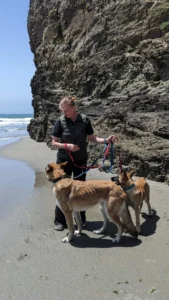
Pain Management Specialist
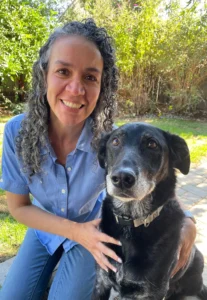
Integrative Medicine Practitioner
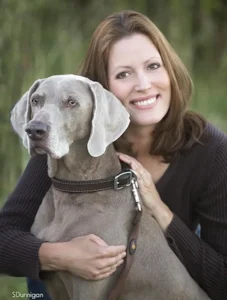
Board-Certified Surgeon
Located at 254 Gibson Drive in Roseville, our family-owned veterinary clinic provides compassionate, five-star care to pets throughout Roseville and the surrounding areas. Led by board-certified surgeon Dr. Erin Paster with over 20 years of experience, our team treats every pet with the same love and respect we would our own.
The information provided on this website has been reviewed by our veterinarians but is for educational purposes only. It should not replace professional veterinary advice, diagnosis, or treatment. If your pet is experiencing a medical concern, please contact our clinic at (916) 773-8578 or seek immediate veterinary care.
New clients only
Give your furry family member the preventive care they deserve. Schedule your pet's comprehensive wellness examination at Stonebridge Veterinary Wellness for only $44.50 — a special rate exclusively for new clients.
Our wellness exams focus on preventive health care to keep your pet healthy and happy. During a wellness visit, our doctors perform thorough physical examinations, discuss your pet's nutritional needs, address any behavioral concerns, and recommend preventive treatments tailored to your pet's age and lifestyle.