At Stonebridge Veterinary Wellness, we offer trusted cat surgery services in Roseville and the surrounding areas along with dental care and early disease detection to keep your cat healthy, safe, and thriving.
Cat surgery encompasses specialized procedures tailored to feline anatomy and physiology, including routine sterilization, dental procedures, soft tissue operations, orthopedic repairs, and urological surgeries performed with anesthetic protocols specifically designed for cats. Cats require specialized surgical care for cats that considers their unique anatomy, physiology, and behavioral characteristics. From routine procedures like spaying and neutering to complex surgeries addressing various health conditions, feline surgical patients need veterinary teams who understand the specific requirements for safe and effective surgical outcomes in cats.
At Stonebridge Veterinary Wellness, our surgical team provides comprehensive surgical services for cats. Dr. Erin Paster is board-certified and brings over 20 years of surgical training to support your feline companion receiving the highest quality surgical care, with careful attention to the unique needs of cats throughout the entire surgical process. Our Roseville cat veterinarian and team recognizes cats respond differently to anesthesia, pain management, and surgical stress compared to other pets, and we adjust our protocols accordingly.
Cats present unique challenges in surgical medicine due to their size, metabolism, and physiological differences from dogs. Their smaller body size requires precise surgical techniques and careful monitoring during anesthesia, while their unique pain responses necessitate specialized pain management protocols for cats.
Feline anatomy also presents specific considerations for various surgical procedures. Cat bones are typically more delicate than those of similarly sized dogs, requiring modified surgical approaches for orthopedic procedures. Additionally, cats may hide signs of pain or discomfort more effectively than dogs, making careful monitoring and proactive pain management even more crucial.
Cats metabolize anesthetic drugs differently than dogs, requiring careful selection of anesthetic protocols and precise monitoring throughout surgical procedures. Our veterinary team utilizes anesthetic techniques for feline patients, supporting safe and smooth anesthetic experiences with rapid recovery times.
Pre-anesthetic evaluation includes comprehensive physical examination and blood work to assess organ function and identify any underlying health conditions that might affect anesthetic risk. This evaluation is particularly important in cats, as they may not show obvious signs of illness until conditions become advanced.
Spaying and neutering represent the most frequently performed surgical procedures in cats, offering significant health and behavioral benefits. Spaying female cats eliminates the risk of ovarian and uterine cancers while preventing unwanted behaviors associated with heat cycles. Neutering male cats reduces territorial marking, fighting behaviors, and the risk of certain cancers.
Dental surgery addresses the high prevalence of dental disease in cats, with many felines requiring tooth extractions, periodontal treatment, or other oral surgical procedures. Cat teeth are particularly prone to resorptive lesions, a painful condition that often requires surgical intervention to restore comfort and oral health.
Cats commonly require soft tissue surgeries for cats for various conditions including mass removals, wound repair, and gastrointestinal procedures. Mass removal in cats requires careful evaluation to determine the nature of growths, as cats can develop various types of tumors that may require different surgical approaches.
Gastrointestinal foreign body removal represents a common urgent surgical situation in cats, particularly those that ingest string, yarn, or other linear foreign objects. These procedures require careful surgical technique to remove foreign material while preserving normal intestinal function.
Cats can develop various orthopedic conditions requiring surgical intervention, including fractures from falls or trauma, hip dysplasia, and luxating patella. Feline orthopedic surgery requires specialized techniques adapted for their smaller bone size and unique biomechanics.
Fracture repair in cats often utilizes smaller implants and modified surgical approaches compared to dogs. The healing process in cats may also differ, requiring adjusted post-operative care protocols and activity restrictions that consider feline behavior patterns and climbing tendencies.
Femoral head ostectomy represents a common orthopedic procedure in cats, particularly for treating hip dysplasia or fractures that cannot be repaired through other means. Cats typically adapt very well to this procedure, often showing excellent return to normal activity levels following recovery.
The smaller size of cats generally leads to better outcomes from femoral head ostectomy compared to larger dogs, as the pseudojoint that forms provides adequate stability for typical feline activities including jumping and climbing.
Cats, particularly males, commonly require urological surgeries for cats to address conditions such as urethral obstruction, bladder stones, or other urinary tract disorders. Perineal urethrostomy may be recommended for male cats with recurrent urethral blockages that cannot be managed through other means.
These procedures require precise surgical technique due to the small size of feline urogenital anatomy and the critical importance of maintaining normal urinary function. Post-operative care focuses on monitoring urination and preventing complications that could affect long-term urinary health.
Urological surgery in cats often requires specialized instruments and techniques adapted for their anatomy. Our surgical team maintains equipment specifically designed for feline procedures, supporting optimal outcomes for cats requiring urological surgical intervention.
Pain management for urological procedures in cats requires special consideration, as these surgeries can be particularly uncomfortable. Our comprehensive pain management protocols address both surgical pain and the discomfort associated with urinary tract manipulation.
Cats may require urgent surgical intervention for various conditions including trauma, foreign body ingestion, urethral obstruction, or other acute conditions. Urgent care surgery requires rapid evaluation and decision-making while maintaining the highest standards of surgical care.
Our team provides urgent feline surgery and understands the unique challenges these cases present, including the need for rapid stabilization while preparing for surgical intervention. Time-sensitive cases receive the same careful attention to surgical technique and pain management as elective procedures.
Traumatic injuries in cats often result from falls, motor vehicle accidents, or animal attacks. These cases may require multiple surgical procedures to address various injuries, including fracture repair, wound closure, and treatment of internal injuries.
Cats’ tendency to hide when injured can sometimes delay discovery of traumatic injuries, potentially complicating surgical treatment. Our team provides evaluation and treatment of trauma cases in cats, including those where the full extent of injuries may not be immediately apparent.
Recovery from surgery requires special considerations for feline patients, as cats may be more likely to hide pain or discomfort compared to dogs. Our post-operative monitoring protocols for cats are designed to detect subtle signs of complications or discomfort in cats, supporting prompt intervention when needed.
Pain management in cats requires specialized medications and dosing protocols, as cats metabolize certain pain medications differently than dogs. Our comprehensive pain management approach supports feline surgical patients remaining comfortable throughout their recovery period.
Post-operative care at home for cats often requires modified approaches compared to dogs. Cats may need different types of protective collars or garments to prevent interference with surgical sites, and their tendency to jump or climb may require environmental modifications during recovery.
Monitoring cats for proper eating, drinking, and elimination becomes particularly important after surgery, as changes in these behaviors may indicate complications. Our team provides detailed instructions for monitoring feline surgical patients and recognizing signs that warrant veterinary attention.
Effective pain management represents a crucial component of feline surgical care, as cats may not display obvious signs of pain despite experiencing significant discomfort. Our pain management protocols utilize medications and techniques specifically validated for use in cats.
Pre-emptive pain management begins before surgery and continues throughout the recovery period, utilizing multiple approaches to support optimal comfort. This multimodal approach provides superior pain relief while minimizing the side effects that can occur with single-drug protocols.
Cats may show subtle signs of pain including decreased appetite, reduced activity, hiding behaviors, or changes in litterbox habits. Our team educates cat owners about recognizing these signs and provides clear guidelines for when to seek veterinary attention during the recovery period.
Follow-up examinations allow our veterinary team to assess pain levels and adjust medications as needed throughout the recovery process. We believe that proactive pain management significantly improves surgical outcomes and recovery experiences for feline patients.
Our commitment to feline surgical excellence supports cats receiving specialized care designed specifically for their unique needs and characteristics. We understand that cats require different approaches than dogs throughout the surgical process, from pre-operative preparation through complete recovery. Our team combines surgical training with compassionate care to provide optimal outcomes for feline surgical patients.
If your cat requires surgical treatment or if you’d like to discuss surgical options for your feline companion, we encourage you to contact our surgical team. Call us at (916) 773-8578 or contact us to learn more about our comprehensive feline surgical services in Roseville and how we can support the best possible outcomes for your cat’s surgical needs. Located at 254 Gibson Drive in Roseville, our family-owned veterinary clinic provides compassionate, five-star care to pets throughout Roseville and the surrounding areas. Led by board-certified surgeon Dr. Erin Paster with over 20 years of experience, our team treats every pet with the same love and respect we would our own.
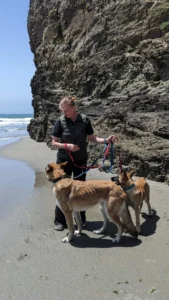
Pain Management Specialist
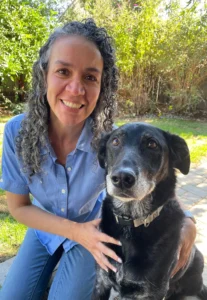
Integrative Medicine Practitioner
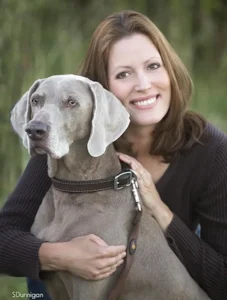
Board-Certified Surgeon
Located at 254 Gibson Drive in Roseville, our family-owned veterinary clinic provides compassionate, five-star care to pets throughout Roseville and the surrounding areas. Led by board-certified surgeon Dr. Erin Paster with over 20 years of experience, our team treats every pet with the same love and respect we would our own.
The information provided on this website has been reviewed by our veterinarians but is for educational purposes only. It should not replace professional veterinary advice, diagnosis, or treatment. If your pet is experiencing a medical concern, please contact our clinic at (916) 773-8578 or seek immediate veterinary care.
New clients only
Give your furry family member the preventive care they deserve. Schedule your pet's comprehensive wellness examination at Stonebridge Veterinary Wellness for only $44.50 — a special rate exclusively for new clients.
Our wellness exams focus on preventive health care to keep your pet healthy and happy. During a wellness visit, our doctors perform thorough physical examinations, discuss your pet's nutritional needs, address any behavioral concerns, and recommend preventive treatments tailored to your pet's age and lifestyle.