Your pet’s dental health is more critical than many pet owners realize. Periodontal infections affect the majority of dogs and cats over three years old, yet the early warning signs often go unnoticed until the condition becomes severe and painful.
At Stonebridge Veterinary Wellness in Roseville, California, our veterinary team understands that recognizing dental issues early can prevent serious health issues and keep your companion comfortable and healthy. With our comprehensive veterinary services, we provide thorough dental examinations and treatments tailored to your pet’s unique needs.
How to Know If Your Pet Needs Dental Care
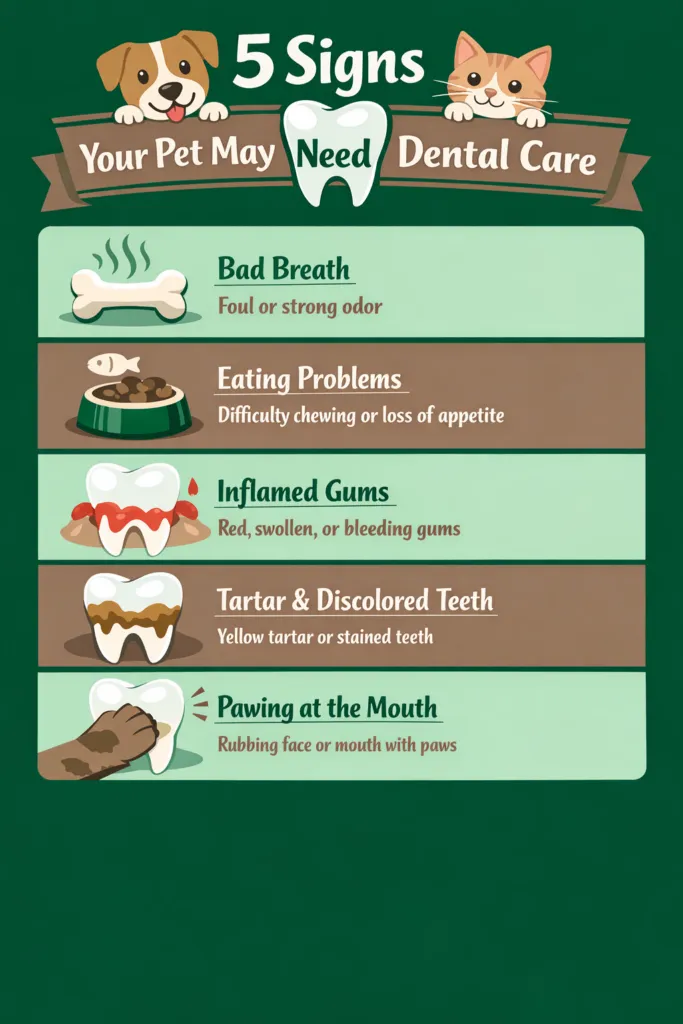
Identifying when your pet requires dental attention isn’t always straightforward. Unlike humans, pets cannot tell us when they’re experiencing tooth pain or gum discomfort. However, several telltale signs, like bad breath, pawing at the mouth, and discolored teeth, indicate that your furry friend may be suffering from a dental infection.
Periodontal infections begin with plaque buildup and can progress to affect the supporting structures of the teeth, leading to pain, tooth root abscesses, extension of the infection into the jawbone, bone loss, tooth loss, and even systemic health problems. Being alert to the following warning signs can help you address dental issues before they escalate:
Bad Breath
While no one expects their pet’s breath to smell like roses, persistently foul breath is not normal and should never be ignored. Chronic bad breath, often described as having a sour or rotten odor, typically indicates bacterial accumulation in the mouth. This bacterial overgrowth can lead to gingivitis and periodontal infections if left untreated. If you notice your pet’s breath has become increasingly unpleasant, schedule a dental examination with us promptly.
Difficulty Eating or Changes in Eating Habits
When a dental infection causes pain, pets often change how they eat. You might notice your pet dropping food from their mouth, chewing on only one side, or showing reluctance to eat hard kibble they previously enjoyed. Some pets may approach their food bowl with enthusiasm but then back away without eating, or they may take longer to finish their meals. Weight loss can also occur when dental pain makes eating too uncomfortable. These behavioral changes are your pet’s way of telling you that something is wrong.
Red, Swollen, or Bleeding Gums
Healthy gums should appear pink and firm. If your pet’s gums look red, swollen, or bleed when touched or during eating, this is a clear indicator of gingivitis or a more advanced periodontal infection. You might notice blood on your pet’s toys, in their water bowl, or on their food. Gum inflammation develops when plaque hardens into tartar, creating an environment where bacteria thrive and irritate the delicate gum tissue. Our experienced veterinary team can assess the severity of the infection and recommend appropriate treatment options.
Visible Tartar Buildup or Discolored Teeth
Yellow, brown, or gray deposits on your pet’s teeth signal tartar accumulation. Tartar forms when plaque mineralizes and hardens onto the tooth surface, creating a rough texture that harbors additional bacteria. While some tartar buildup is visible along the gum line, significant deposits can extend above and below the gums. Discolored teeth may also indicate dead or dying tooth pulp, which requires immediate veterinary attention. Professional dental cleanings remove tartar that cannot be eliminated through brushing alone.
Pawing at the Mouth or Face
Pets experiencing oral discomfort often paw at their mouths or rub their faces against furniture or the floor to relieve pain. In some cases, signs of oral pain can even resemble a partial seizure. This behavior may be accompanied by excessive drooling, reluctance to have their face touched, or sensitivity when you try to examine their mouth. Some pets become more irritable or withdrawn when dealing with dental pain. If you observe your pet repeatedly pawing at their mouth or showing signs of facial discomfort, a dental infection may be the underlying cause.
Protect Your Pet’s Smile at Stonebridge Veterinary Wellness
Dental infections are preventable and treatable when caught early. Regular dental examinations allow our team to identify problems before they progress and cause unnecessary pain or health concerns. Our family-owned practice provides compassionate, comprehensive dental care in a welcoming environment where your pet’s health and comfort is our top priority.
The team at Stonebridge Veterinary Wellness has a wealth of knowledge and experience, and is caring for pets in Roseville, Rocklin, Lincoln, Granite Bay, Citrus Heights, and the surrounding areas. We understand the unique needs of each patient and take the time to educate pet owners about preventive dental care strategies. Whether your pet needs a routine cleaning or more advanced dental treatment, we’re here to help. Contact us today to schedule a dental evaluation and take the first step toward protecting your companion’s oral health.