When your pet scratches frantically at their ear or shakes their head with increasing desperation, these behaviors signal distress that’s more than temporary discomfort. Ear infections rank among the most common health concerns affecting companion animals, creating significant pain and potentially progressing to problems that require aggressive medical intervention if owners delay seeking treatment.
At Stonebridge Veterinary Wellness, our veterinary team recognizes ear infections as conditions that require prompt diagnosis and individualized treatment. As a family-owned practice serving Roseville, Rocklin, Lincoln, Granite Bay, Citrus Heights and the surrounding areas, we combine compassionate care with advanced diagnostic methods to identify the causes of infections and develop comprehensive treatment strategies that address both immediate symptoms and the underlying factors contributing to recurrent ear problems.
What Are the Signs of Ear Infections in Pets?
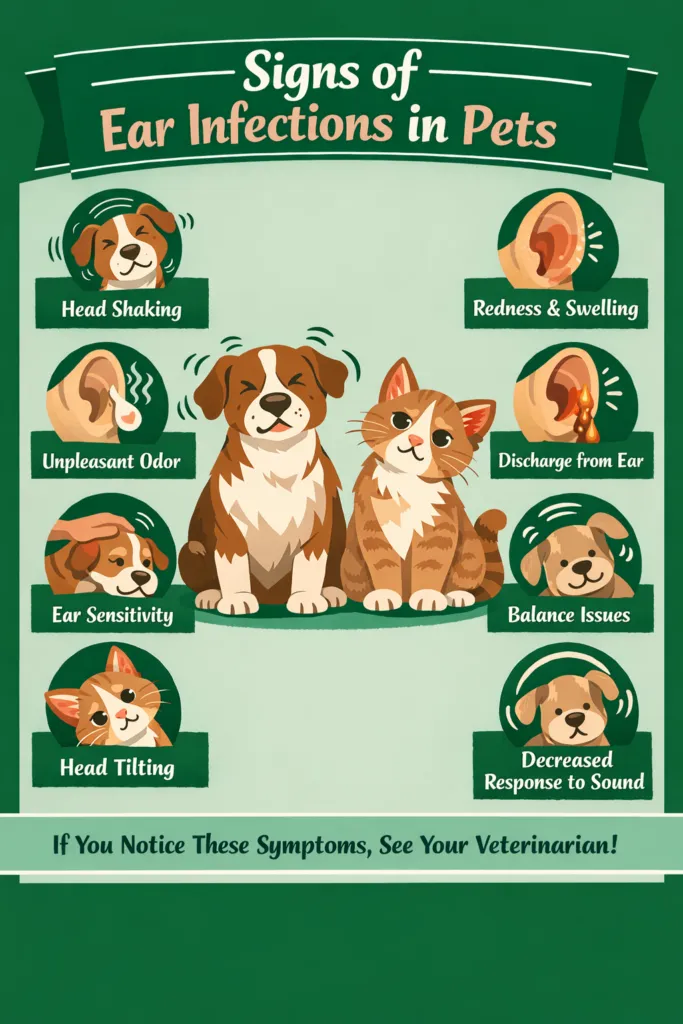
Ear infections rarely develop without warning signs, though the subtlety of the following early symptoms sometimes delays recognition among well-meaning pet owners:
- Head shaking
- Redness or swelling around the ear canal
- Unusual odor from the ear
- Yellow, brown, or bloody discharge coming from the ear
- Sensitive to touching around the ears
- Head tilting to one side
- Balance problems
- Decreased responsiveness to sound
According to research published in the journal Canine Medicine and Genetics, ear infections affect approximately 7 percent of dogs each year, and various factors contribute to their development. Bacterial or yeast infections commonly develop when moisture becomes trapped in the ear canal, creating environments where microorganisms thrive. Allergies to food or environmental factors frequently contribute to ear inflammation, making pets more susceptible to secondary infections. California, in particular, has a very high frequency of allergic pets (and humans), making allergies and ear infections one of the most common conditions we treat.
Ear mites, particularly common in cats and young animals, cause intense irritation that can lead to infection. Foreign objects, such as grass seeds, sometimes lodge in the ear canal, while excessive wax buildup or hormonal imbalances create conditions favorable for the establishment of infection. Masses, swollen tissues, or proliferative tissue can also obstruct the ear canal, creating an environment where infection flourishes and medications can’t reach.
Types of Ear Infections
Otitis externa affects the outer ear canal and is the most common type of ear infection in dogs and cats, typically responding well to prompt treatment. Otitis media involves the middle ear and often develops when outer ear infections progress untreated. Otitis interna affects the inner ear and represents the most serious form, potentially causing balance problems and hearing loss if not treated aggressively.
Diagnostic Approach and Treatment Options for Ear Infections
When you bring your pet to our team for evaluation, we begin with a thorough examination of the ear canal using an otoscope, allowing visualization of internal structures and identification of abnormalities. We may collect samples of discharge or debris for microscopic examination or culture, which help determine whether bacteria, yeast, or parasites are causing the infection and guide medication selection.
Treatment protocols vary based on the cause, severity, and location. Most ear infections respond to topical medications applied directly into the ear canal, including antibiotics for bacterial infections, antifungal agents for yeast infections, or anti-parasitic medications for mite infestations. We often prescribe anti-inflammatory medications to reduce swelling and discomfort, helping your pet feel more comfortable while the infection clears.
In cases involving underlying allergies, we address contributing factors through dietary modifications or allergy management protocols. Severe or chronic infections sometimes require oral medications, ear flushing procedures performed under sedation, or surgical intervention when conservative treatments prove insufficient.
Masses involving the ear are diagnosed with biopsy and diagnostic tests to determine the extent of the disease. This is done in a step-wise fashion for prompt and accurate treatment. When surgical treatment of ear conditions is required, our board-certified veterinary surgeon, Dr. Erin Paster, with over 20 years of surgical experience, performs these surgeries on-site.
Preventing Future Ear Infections in Your Pet
Prevention strategies significantly reduce the likelihood of recurrent ear infections, particularly in pets predisposed to them. Regular ear cleaning using veterinarian-recommended solutions helps remove debris and excess moisture, but improper cleaning techniques can push material deeper or damage sensitive tissues.
After swimming or bathing, thoroughly dry your pet’s ears to prevent moisture accumulation. For pets with allergies, managing underlying conditions through annual wellness exams helps minimize ear inflammation, identify any proliferative tissue or ear canal masses, and reduce infection frequency. Routine grooming, including trimming hair around the ear opening, improves air circulation and reduces infection risk.
Experience Compassionate, Advanced Care at Stonebridge Veterinary Wellness
Ear infections require prompt attention from veterinary professionals who understand the complexities of diagnosis and treatment, particularly when infections become recurrent or involve challenging underlying conditions. Our family-owned practice prioritizes your pet’s preventative care, comfort, and long-term health, offering state-of-the-art diagnostic equipment and treatment protocols informed by our team’s extensive experience. When the need for surgical treatment arises, Dr. Erin Paster, our experienced board-certified veterinary surgeon, performs these complex procedures with precision and care. She also leads our commitment to veterinary ethics and premium pet care, giving every patient five-star treatment in a welcoming, reduced-stress environment.
If your pet shows signs of an ear infection or has a history of recurrent ear problems, early intervention can prevent issues and address the root causes. Contact our office to schedule an appointment and experience the difference compassionate, 5-star, advanced veterinary care makes in your pet’s health and happiness.