At Stonebridge Veterinary Wellness, we provide trusted cruciate ligament treatment for dogs and cats in Roseville and the surrounding areas—offering advanced care, pain relief, and early intervention to help your pet stay active, comfortable, and thriving.
When your dog or cat struggles to bear weight on a hind leg after playing or suddenly begins limping, a cruciate ligament injury may be to blame. This common orthopedic condition affects thousands of pets each year and can significantly impact their quality of life if left untreated. The cranial cruciate ligament in dogs and cats functions similarly to the ACL in humans, stabilizing the knee joint during movement and activity.
At Stonebridge Veterinary Wellness, we understand how concerning it is to see your companion in pain. Our doctors bring over 20 years of experience in veterinary services, including advanced orthopedic procedures. Led by board-certified surgeon Dr. Erin Paster, our team provides comprehensive treatment options for cruciate ligament injuries, from conservative management to surgical intervention.
The cranial cruciate ligament connects the femur to the tibia, preventing the tibia from sliding forward during weight bearing. When this ligament tears or ruptures, the joint becomes unstable, resulting in pain, inflammation, and the progression of arthritis. Unlike acute injuries common in human athletes, cruciate ligament damage in pets typically develops gradually through degeneration.
Multiple factors contribute to ligament deterioration in dogs and cats. Understanding the following risk factors helps pet owners recognize potential problems early and take preventive measures when possible:
You might notice your pet suddenly favoring one leg, struggling to rise after rest, or showing reluctance to jump or climb stairs. Some companions also exhibit decreased activity levels or hesitation during play. Recognizing these warning signs allows for earlier intervention by our veterinary team and better long-term outcomes to prevent further joint damage and preserve your pet’s mobility.
Accurate diagnosis forms the foundation of effective treatment. Our doctors perform a thorough orthopedic examination, assessing joint stability through specialized tests. The “tibial thrust” and “cranial drawer” tests help identify abnormal joint movement, indicating ligament damage. Digital radiographs reveal the extent of joint changes and help rule out other conditions causing similar symptoms.
We perform specialized screenings for hip and elbow conditions to provide a complete picture of your pet’s orthopedic health. Early detection through comprehensive evaluation allows us to develop the most appropriate treatment strategy for your companion’s specific needs.
Treatment approaches vary based on your pet’s size, activity level, overall health, and the severity of the injury. Very small dogs and cats may respond to conservative management, which includes rest, pain management, weight control, and physical rehabilitation. However, larger dogs typically require surgical stabilization to restore normal joint function and minimize long-term complications.
Several surgical techniques address cruciate ligament injuries. The tibial plateau leveling osteotomy (TPLO) remains one of the most effective procedures for active dogs. This surgery alters the angle of the tibial plateau, eliminating the need for the cranial cruciate ligament during weight-bearing. Other options include tibial tuberosity advancement (TTA) and extracapsular repair techniques, each offering specific advantages depending on your pet’s anatomy and lifestyle.
Post-operative care significantly influences long-term success following cruciate ligament surgery. The recovery period requires controlled activity, restricted exercise, and careful monitoring for complications. Most pets begin bearing weight on the affected leg within days to a couple of weeks of surgery, with continued improvement over several months.
Physical rehabilitation accelerates healing and helps restore full function. Therapeutic exercises strengthen the muscles supporting the joint, improve the range of motion, and enhance overall mobility. We provide detailed home care instructions and work closely with you throughout the recovery process to help your pet achieve the best possible outcome.
Selecting the right veterinary practice for your pet’s orthopedic care requires careful consideration. At Stonebridge Veterinary Wellness, we offer distinct advantages that set us apart in Roseville and the surrounding areas.
Our family-owned practice prioritizes individualized attention over corporate protocols, offering your pet care tailored to their specific needs rather than one-size-fits-all solutions. We understand that every companion is unique, and we take the time to develop treatment plans based on your pet’s specific circumstances and your concerns as their caregiver.
The importance of a board-certified surgeon cannot be overstated when considering orthopedic procedures. Dr. Erin Paster brings advanced training, knowledge, and extensive experience in surgical techniques, resulting in improved outcomes and fewer complications. Her emphasis on veterinary ethics ensures that the treatment she recommends is the best option for your pet’s needs and lifestyle. As a published author in multiple peer-reviewed, scientific veterinary journals, Dr. Paster is a scientist in addition to being a caregiver, focusing on evidence-based surgical approaches and techniques that benefit your pet’s comfort and mobility. This specialized background gives your pet the highest level of surgical care.
Our commitment to safety extends throughout every procedure. State-of-the-art monitoring equipment and our experienced anesthesia team monitor your pet’s vital signs closely during anesthesia and recovery. We utilize a heated operating table, warming devices, and specialized warming techniques to maintain proper body temperature throughout surgery. Additionally, we consult with a veterinarian certified in pain management to provide optimal comfort protocols designed specifically for your companion’s needs.
We work with an outside laboratory to perform additional testing when needed, giving us comprehensive diagnostic capabilities. For pets suffering from multiple joint conditions or those that require specialized screening of other joints, we are certified to perform PennHIP evaluations for hip laxity and radiographic screenings for elbow dysplasia. For pets requiring behavioral support during recovery, we offer training services through our on-site trainer who can help address any challenges that arise during the healing process.
Your pet deserves specialized attention from experienced professionals who understand the complexities of orthopedic conditions. At Stonebridge Veterinary Wellness, we combine Dr. Paster’s advanced surgical skill with compassionate care to help your companion return to an active, comfortable life. Our locally and privately owned practice serves Roseville and the surrounding areas with the personalized service and quality medicine you expect from a family-operated veterinary clinic.
Dr. Paster and our doctors understand that cruciate ligament injuries require prompt, appropriate intervention for the best possible outcome. Whether your pet needs conservative management or surgical repair, we develop treatment plans based on current best practices and your companion’s individual circumstances. Contact our team today to schedule a consultation and learn how we can help your pet regain mobility and comfort.
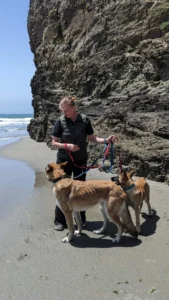
Pain Management Specialist
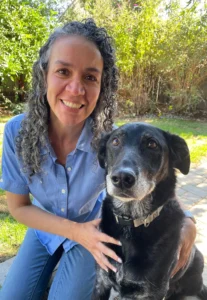
Integrative Medicine Practitioner
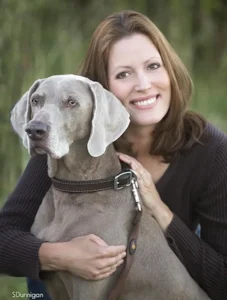
Board-Certified Surgeon
Located at 254 Gibson Drive in Roseville, our family-owned veterinary clinic provides compassionate, five-star care to pets throughout Roseville and the surrounding areas. Led by board-certified surgeon Dr. Erin Paster with over 20 years of experience, our team treats every pet with the same love and respect we would our own.
The information provided on this website has been reviewed by our veterinarians but is for educational purposes only. It should not replace professional veterinary advice, diagnosis, or treatment. If your pet is experiencing a medical concern, please contact our clinic at (916) 773-8578 or seek immediate veterinary care.
New clients only
Give your furry family member the preventive care they deserve. Schedule your pet's comprehensive wellness examination at Stonebridge Veterinary Wellness for only $44.50 — a special rate exclusively for new clients.
Our wellness exams focus on preventive health care to keep your pet healthy and happy. During a wellness visit, our doctors perform thorough physical examinations, discuss your pet's nutritional needs, address any behavioral concerns, and recommend preventive treatments tailored to your pet's age and lifestyle.