At Stonebridge Veterinary Wellness, we perform a large number of mass removals and oncologic procedures with precision and care. Dr. Erin Paster is a board-certified surgeon with over 20 years of surgical experience who brings advanced training to the diagnosis and treatment of lumps and bumps. Our state-of-the-art monitoring equipment and experienced anesthesia team work with our veterinarian certified in pain management to support your pet’s comfort throughout their surgical treatment.
When your pet is diagnosed with cancer, understanding treatment options is essential for making informed decisions about their care. Oncologic surgery plays a critical role in treating cancer in pets, offering the potential for surgical removal of tumors and improved quality of life. From mast cell tumors and mammary tumors to other skin tumors affecting dogs and cats, surgical treatment provides an important approach to cancer management. Early detection and prompt surgical intervention can significantly impact treatment outcomes for many cancer patients.
At Stonebridge Veterinary Wellness, our surgical team in Roseville and the surrounding areas provides comprehensive oncologic surgery for pets diagnosed with various types of cancer. Dr. Erin Paster is a board-certified Roseville veterinary surgeon with over 20 years of experience performing surgical procedures, bringing advanced training in oncologic surgical techniques. We perform a large number of mass removals and work closely with pet owners to develop treatment recommendations tailored to each patient’s individual needs and cancer type.Tumor grading provides important information about cancer aggressiveness and expected behavior. This classification system helps predict prognosis and guides treatment decisions.
Low Grade Tumors – Low-grade cancers (Grade I) grow slowly and have less aggressive biological behavior. These tumors typically have a lower risk of spreading to other organs and often respond well to surgical removal alone. Many low-grade mast cell tumors can be successfully treated with appropriate surgical margins.
Intermediate Grade – Intermediate grade tumors (Grade II) show moderate growth rates and variable behavior. These cancers may require wider surgical margins or adjuvant therapy depending on their specific characteristics and location.
High Grade Tumors – High-grade cancers (Grade III) demonstrate aggressive growth and increased risk of metastasis to lymph nodes, internal organs, or other distant sites. High-grade tumors often require surgical removal combined with additional cancer treatment such as chemotherapy or radiation therapy to achieve optimal outcomes.
Oncologic surgery aims to completely remove the primary tumor along with adequate surrounding tissue to achieve clean margins free of cancer cells. The surgical approach depends on tumor type, location, size, and grade.
Proper surgical planning is critical for oncologic procedures. We evaluate tumor characteristics, review diagnostic test results, and plan surgical margins appropriate for the specific cancer type. For many skin tumors, including mast cell tumors, achieving wide surgical margins improves the likelihood of complete tumor removal and reduces recurrence risk.
The goal of surgical removal is obtaining clean margins—meaning cancer cells are not present at the edges of the excised tissue. For high-grade tumors or those with aggressive biological behavior, wider margins may be necessary. In some cases, reconstructive techniques help close larger surgical sites after tumor removal.
Oncologic surgery is performed under general anesthesia using sterile surgical technique. Our state-of-the-art monitoring equipment and experienced anesthesia team support that your pet’s vital signs are monitored closely during anesthesia and anesthetic recovery. We use heated blankets, warming devices, and warming techniques to maintain body temperature throughout the procedure.
During surgery, Dr. Paster carefully removes the tumor along with planned margins of surrounding tissue. For tumors near lymph nodes, regional lymph nodes may be removed for pathologic evaluation to assess cancer spread. The removed tissue is submitted to a veterinary pathologist who evaluates margins and confirms tumor type and grade. As an experienced Roseville veterinary surgeon, Dr. Paster applies advanced oncologic surgical techniques to achieve optimal tumor removal.
Post-operative pathology reports indicate whether surgical margins are clean (tumor-free), narrow (tumor cells close to margins), or incomplete (tumor cells at margins). Clean margins generally indicate successful tumor removal, though the required margin width varies by cancer type. Incomplete margins may warrant further testing, additional surgery, or adjuvant therapy depending on tumor characteristics and location.
Some cancers benefit from additional cancer treatment beyond surgical removal. Adjuvant therapy targets remaining cancer cells and reduces recurrence risk, particularly for high grade tumors or cancers with incomplete margins.
Chemotherapy uses medications to kill cancer cells throughout the body. This systemic treatment approach is particularly valuable for cancers that have spread to lymph nodes or internal organs, or for tumor types known to have an increased risk of metastasis. While we provide surgical treatment at Stonebridge Veterinary Wellness, we work with veterinary oncologists for patients requiring chemotherapy protocols.
Radiation therapy targets cancer cells in specific areas using high-energy beams. This treatment option may be recommended for tumors that cannot be completely removed surgically, those with narrow or incomplete margins, or certain cancer types that respond well to radiation. Radiation therapy is performed at specialized veterinary referral centers, and we coordinate care with radiation oncology specialists when this treatment is appropriate.
For certain mast cell tumors, particularly high-grade tumors or those that cannot be completely removed, medications called tyrosine kinase inhibitors may be used. These targeted therapies interfere with signals that promote cancer cell growth. Some of these medications have received conditional approval for veterinary use based on controlled studies demonstrating efficacy. We discuss these treatment options with pet owners when appropriate for their pet’s specific situation.
Complex cancer cases often benefit from multidisciplinary care. A veterinary oncologist provides advanced training in cancer diagnosis, treatment planning, and chemotherapy administration. We maintain referral relationships with board-certified veterinary oncologists and can coordinate care when patients require their expertise for cancer treatment beyond surgical management.
For some patients, we recommend consulting with a veterinary oncologist before surgery to ensure the most appropriate treatment plan. This collaborative approach helps pet owners understand all available treatment options and expected outcomes.
While we cannot prevent all cancers, understanding risk factors helps pet owners make informed decisions. Risk factors for various cancers include age (cancer incidence increases in older pets), breed predisposition (certain breeds have increased risk for specific cancers), reproductive status (intact females have higher mammary tumor risk), environmental exposures, and genetic factors.
Spaying female dogs before their first heat cycle dramatically reduces mammary tumor risk. Regular veterinary examinations and prompt evaluation of new masses support early cancer detection when treatment is most likely to be successful.
Veterinary medicine continues to advance cancer treatment through clinical trials and research studies. Clinical trials evaluate new medications, treatment protocols, and surgical techniques. Some cancer patients may be candidates for clinical trials investigating novel therapies. While controlled studies demonstrate the safety and efficacy of new treatments, some medications receive conditional approva,l allowing their use while additional long-term data is collected.
Pet owners interested in clinical trial participation can discuss this option with their veterinary oncologist. Participation in controlled studies may provide access to cutting-edge treatments while contributing to advancing veterinary cancer care.
Following oncologic surgery, appropriate pain management is essential. We consult with a veterinarian certified in pain management to provide optimal pain relief protocols. Most patients recover well from surgery with proper post-operative care.
Potential adverse events following surgery may include infection, incision complications, or delayed healing. We provide detailed home care instructions and schedule follow-up appointments to monitor healing. Pet owners should contact us if they notice any concerning changes during recovery.
For patients receiving adjuvant therapy, adverse events may include gastrointestinal upset, decreased appetite, or fatigue. The veterinary oncologist managing chemotherapy or other treatments will discuss potential side effects and how to recognize adverse events requiring attention.
After cancer treatment, regular monitoring helps detect potential recurrence early. Follow-up protocols typically include physical examinations, palpation of surgical sites and lymph nodes, and periodic blood work. For certain cancers, imaging studies may be recommended at intervals to assess for metastasis or local recurrence.
The frequency and type of monitoring depend on cancer type, grade, and treatment. High-grade tumors generally require more intensive follow-up than low-grade tumors with less aggressive biological behavior. We work with pet owners to develop appropriate monitoring schedules based on their pet’s specific situation.
Cancer diagnosis and treatment involve balancing treatment goals with quality of life. Some cancers can be cured with appropriate treatment, while others may be managed as chronic conditions. We help pet owners understand realistic treatment goals and expected outcomes based on tumor type, grade, and extent of cancer spread.
Treatment decisions should consider the pet’s overall health status, temperament, and the family’s ability to provide necessary care. For some patients, aggressive treatment offers an excellent prognosis and years of quality life. For others, palliative care focused on comfort may be the most appropriate choice.
At Stonebridge Veterinary Wellness, our commitment to surgical excellence supports pets diagnosed with cancer to receive advanced and compassionate care. Dr. Erin Paster’s training as a board-certified surgeon provides expertise in oncologic surgical techniques, tumor margin assessment, and complex mass removals. Combined with our state-of-the-art surgical facility, experienced anesthesia team, and dedication to individualized patient care, we help cancer patients achieve the best possible outcomes.
We understand that cancer diagnosis is stressful for pet owners. Our team is dedicated to clear communication about treatment options, prognosis, and expected outcomes. We believe informed pet owners make the best decisions for their companions, and we support families throughout the cancer treatment journey.
If your pet has been diagnosed with cancer or you have discovered a new mass that requires evaluation, contact Stonebridge Veterinary Wellness at (916) 773-8578 to discuss diagnostic testing and treatment options. As an experienced veterinarian in Roseville, CA, our team provides expertise in oncologic surgery and commitment to comprehensive cancer care to help your pet receive appropriate treatment and support for the best possible quality of life.
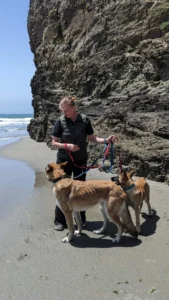
Pain Management Specialist
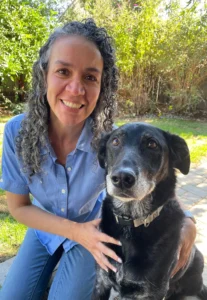
Integrative Medicine Practitioner
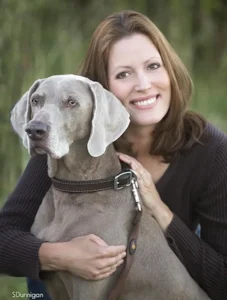
Board-Certified Surgeon
Located at 254 Gibson Drive in Roseville, our family-owned veterinary clinic provides compassionate, five-star care to pets throughout Roseville and the surrounding areas. Led by board-certified surgeon Dr. Erin Paster with over 20 years of experience, our team treats every pet with the same love and respect we would our own.
The information provided on this website has been reviewed by our veterinarians but is for educational purposes only. It should not replace professional veterinary advice, diagnosis, or treatment. If your pet is experiencing a medical concern, please contact our clinic at (916) 773-8578 or seek immediate veterinary care.
New clients only
Give your furry family member the preventive care they deserve. Schedule your pet's comprehensive wellness examination at Stonebridge Veterinary Wellness for only $44.50 — a special rate exclusively for new clients.
Our wellness exams focus on preventive health care to keep your pet healthy and happy. During a wellness visit, our doctors perform thorough physical examinations, discuss your pet's nutritional needs, address any behavioral concerns, and recommend preventive treatments tailored to your pet's age and lifestyle.