When your pet experiences a fracture, prompt and skilled surgical intervention can make all the difference in their recovery. Dr. Erin Paster is a board-certified surgeon who brings over 20 years of orthopedic surgery experience to every fracture repair procedure. Our state-of-the-art monitoring equipment and experienced anesthesia team work alongside our veterinarian certified in pain management to support your pet’s comfort and healing throughout the surgical process.
When a pet suffers a broken bone, prompt veterinary attention and proper surgical treatment are critical for optimal healing. Bone fractures can result from traumatic injuries, falls, vehicle accidents, or underlying conditions that weaken bone structure. Whether dealing with simple breaks or complex fractures involving multiple bone fragments, veterinary fracture repair surgery provides the specialized care needed to help broken bones heal properly and restore your pet’s mobility and comfort.
At Stonebridge Veterinary Wellness, our surgical team in Roseville and the surrounding areas provides comprehensive orthopaedic surgery for pets requiring fracture repair. Dr. Erin Paster is a board-certified surgeon with over 20 years of experience performing complex bone fracture repairs, bringing advanced surgical training in orthopaedic procedures to support the best possible outcomes. With careful attention to surgical technique, pain management, and proper healing protocols, we help patients achieve successful recovery and return to normal activity.
A fracture occurs when a bone breaks due to a force that exceeds the bone’s ability to withstand stress. When a bone breaks, the injury can range from simple cracks to severe fractures where the bone shatters into multiple bone pieces or bone fragments. Understanding the type and severity of the fracture is essential for determining the most appropriate treatment approach to help the bone heal properly.
Bone fractures are classified based on several factors, including the pattern of the break, whether the broken pieces remain aligned, and whether the skin remains intact:
Closed Fractures – The bone breaks, but the skin remains intact, protecting the fracture site from external contamination. These fractures generally havea lower risk of infection and may heal more predictably when surgically stabilized in the correct position.
Open Fracture – Also called compound fractures, these injuries involve broken bones that penetrate through the skin. An open fracture requires urgent surgical attention to clean the wound, remove debris, and prevent infection while stabilizing the bone fragments. The exposed bone and surrounding soft tissues face higher infection risk, making prompt treatment critical.
Simple Fractures – The bone breaks into two main pieces with a clean break line. These fractures often respond well to surgical stabilization and typically heal in the correct shape when bone pieces are properly aligned.
Complex Fractures – The bone shatters into multiple bone fragments or involves breaks near joints or growth plates. Complex fractures may require advanced surgical techniques and specialized implants to restore proper bone alignment and support healing. Severe fractures involving significant bone damage or crushing injuries present particular challenges for successful reconstruction.
While any bone in the body can fracture, certain bones are injured more frequently in veterinary patients:
Femur Fractures – The femur (thigh bone) is one of the most commonly fractured bones in dogs and cats, often resulting from vehicle trauma or falls. The femur’s location and the forces it bears during normal movement make surgical stabilization important for proper healing.
Tibia and Fibula – Lower leg fractures frequently occur from jumping injuries or vehicular accidents. These bones require precise alignment to restore proper leg function.
Radius and Ulna – Foreleg fractures are common in small breed dogs and cats, often from falls or being stepped on. The limited soft tissue coverage around these bones makes surgical technique particularly important.
Pelvis – Pelvic fractures often result from vehicle trauma and may involve multiple breaks. Treatment approaches depend on which specific pelvic bones are affected and whether the fractures impact weight-bearing capacity.
Modern veterinary orthopaedic surgery offers several surgical techniques to repair broken bones. The choice of method depends on factors including fracture location, severity, patient size, and age, and which approach provides the best chance for proper healing. Orthopaedic surgeons carefully evaluate each case to determine the optimal surgical strategy.
Internal fixation involves surgically opening the fracture site to directly visualize and manipulate the broken pieces. This approach, called open reduction, allows the surgeon to achieve precise alignment of bone fragments and secure them with internal implants. Internal fixation techniques include:
Bone Plates and Screws – Metal plates are contoured to fit the bone surface and secured with screws placed through the plate into the bone on either side of the fracture. This rigid fixation method provides excellent stability for healing, particularly for long bone fractures of the femur, tibia, radius, and ulna.
Intramedullary Nailing – A metal rod (pin or nail) is inserted through the hollow center (medullary canal) of long bones to provide internal support. Intramedullary nailing works well for stabilizing certain fractures and may be combined with other fixation methods for enhanced stability. This technique provides support along the length of the bone while allowing bone fragments to maintain blood supply.
Wire and Pin Fixation – Smaller fractures or those with multiple bone fragments may be stabilized using combinations of pins and surgical wire. These techniques can secure bone pieces in the correct position while supporting the healing process.
External fixation uses pins that pass through the skin and bone, connecting to an external frame or bars that stabilize the fracture from outside the body. This technique is particularly valuable for open fractures where internal implants might increase infection risk, or for fractures involving extensive soft tissue damage. External fixation allows access to wounds for treatment while maintaining bone alignment during healing.
The external frame can be adjusted as healing progresses, and the pins are removed once the bone heals sufficiently. While external fixators require careful monitoring and maintenance, they provide excellent stabilization for challenging fractures.
Successful fracture repair begins with comprehensive evaluation to determine the extent of injury and plan the surgical approach. Diagnostic imaging provides detailed information about the fracture pattern, helping our surgical team develop the optimal strategy to repair broken bones.
When pets arrive with suspected bone fractures, immediate assessment includes evaluation for other injuries, pain management, and temporary stabilization. Radiographs (X-rays) from multiple angles provide detailed views of the fracture, showing how bone breaks, whether bone fragments have displaced, and what structures are affected.
For complex fractures or those involving joints, advanced imaging may provide additional information for surgical planning. Our team also evaluates each patient’s overall health status to support safe anesthesia and surgery.
Veterinary fracture repair surgery is performed under general anesthesia using sterile surgical technique. Our state-of-the-art monitoring equipment and experienced anesthesia team support that your pet’s vital signs are monitored closely during anesthesia and anesthetic recovery. We use heated blankets, warming devices, and warming techniques to maintain body temperature throughout the procedure.
The surgical approach depends on the chosen fixation method. For internal fixation procedures, careful surgical exposure allows direct visualization of the fracture. The orthopaedic surgeon manipulates the broken pieces to achieve proper alignment in the correct position, then applies the chosen implants to stabilize the fracture. Precision in aligning bone fragments and securing fixation is critical for proper healing.
For open fractures, thorough cleaning and debridement remove contaminated tissue and foreign material before fracture stabilization. This reduces infection risk and promotes healthy healing.
Effective pain management is a priority throughout the surgical process. We consult with a veterinarian certified in pain management to provide the best pain management protocol for your pet. Multimodal pain relief strategies help maintain patient comfort during recovery, supporting early mobility that benefits healing.
Proper healing after fracture repair surgery requires time, appropriate activity restriction, and careful monitoring. When bone heals, new bone tissue gradually forms at the fracture site, bridging the gap and restoring bone strength. This biological healing process typically takes 6-12 weeks, though timing varies based on patient age, fracture severity, and location.
Several factors influence how effectively bone heals following fracture repair:
Fracture Stability – Properly stabilized fractures with bone pieces held in the correct position heal more predictably than unstable fractures. The goal of surgery is to create conditions that support optimal bone healing.
Blood Supply – Adequate blood supply to the fracture site delivers nutrients and cells needed for bone healing. Surgical techniques that preserve blood supply to bone fragments improve healing outcomes.
Patient Age – Younger animals typically heal faster than older patients. However, growth plate fractures in young animals require special consideration to prevent growth abnormalities. Proper nutrition also plays an important role in supporting bone healing and recovery.
Activity Restriction – Controlled activity during healing prevents stress on the repair that could cause implant failure or delayed healing. Following post-operative activity guidelines is essential for successful outcomes.
Recovery from fracture repair surgery involves several weeks of restricted activity with a gradual return to normal function. Initial recovery focuses on incision healing, pain management, and preventing excessive stress on the surgical repair. Patients receive detailed home care instructions, including medication administration and activity restrictions.
Follow-up radiographs monitor healing progress, showing how bone heals over time. These images help determine when patients can safely increase activity levels. Most pets gradually return to normal function as the bone heals, though the timeline varies based on fracture severity and individual healing rates.
Complex orthopaedic surgery requires specialized training and experience to achieve optimal outcomes. Veterinary fracture repair surgery demands precise surgical technique, thorough knowledge of bone healing biology, and expertise in various fixation methods. Board-certified orthopaedic surgeons complete advanced training in these specialized procedures.
Dr. Paster’s training as a board-certified surgeon provides expertise in handling challenging fracture repairs, including severe fractures with multiple bone fragments, open fractures requiring careful wound management, and complex fractures involving joints or growth plates. Her surgical precision and understanding of proper fixation techniques help maximize the potential for successful healing and return to normal function.
Having a board-certified surgeon perform orthopaedic procedures like fracture repair provides confidence that your pet receives care based on advanced training and current best practices in veterinary orthopaedic surgery.
Pets with bone fractures require prompt veterinary attention. Signs that may indicate a broken bone include sudden onset of severe lameness, inability to bear weight on a leg, visible deformity or swelling, pain when touching the affected area, or obvious injury following trauma.
For open fractures where bone fragments are visible through the skin, immediate veterinary care is critical. Even closed fractures benefit from prompt evaluation and treatment to support optimal healing outcomes.
At Stonebridge Veterinary Wellness, our commitment to orthopaedic surgery excellence ensures that pets requiring fracture repair receive advanced and compassionate care. Dr. Erin Paster’s training as a board-certified surgeon, combined with our state-of-the-art surgical facility and experienced support team, provides the highest level of care for patients with bone fractures.
We combine surgical expertise with comprehensive pain management and detailed post-operative support to provide optimal outcomes for every patient. Our goal is to help repair broken bones effectively, manage pain appropriately, and guide patients through successful recovery to restored mobility and quality of life.
If your pet has suffered a traumatic injury or you suspect a bone fracture, contact Stonebridge Veterinary Wellness at (916) 773-8578 for prompt evaluation. For urgent concerns, our emergency care services are available to assess and stabilize fractures. Dr. Paster’s expertise in veterinary fracture repair surgery and our team’s commitment to comprehensive orthopaedic care can help your pet achieve the best possible outcome from fracture treatment.
Pain Management Specialist
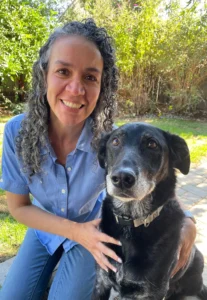
Integrative Medicine Practitioner

Board-Certified Surgeon
Located at 254 Gibson Drive in Roseville, our family-owned veterinary clinic provides compassionate, five-star care to pets throughout Roseville and the surrounding areas. Led by board-certified surgeon Dr. Erin Paster with over 20 years of experience, our team treats every pet with the same love and respect we would our own.
The information provided on this website has been reviewed by our veterinarians but is for educational purposes only. It should not replace professional veterinary advice, diagnosis, or treatment. If your pet is experiencing a medical concern, please contact our clinic at (916) 773-8578 or seek immediate veterinary care.
New clients only
Give your furry family member the preventive care they deserve. Schedule your pet's comprehensive wellness examination at Stonebridge Veterinary Wellness for only $44.50 — a special rate exclusively for new clients.
Our wellness exams focus on preventive health care to keep your pet healthy and happy. During a wellness visit, our doctors perform thorough physical examinations, discuss your pet's nutritional needs, address any behavioral concerns, and recommend preventive treatments tailored to your pet's age and lifestyle.