At Stonebridge Veterinary Wellness, Dr. Erin Paster offers PennHIP certified joint and hip screening to assess your puppy’s risk for hip dysplasia as early as 16 weeks of age. As a PennHIP postdoctoral fellow who ran the PennHIP clinic at the University of Pennsylvania, Dr. Paster brings extensive training and hands-on experience to every evaluation. Our board-certified surgeon provides accurate screenings and personalized recommendations to help delay or prevent future hip problems before they develop.
If you are a breeder or a dog owner concerned about hip dysplasia, early screening can make a meaningful difference in your dog’s long-term quality of life. PennHIP joint and hip screening in Roseville and the surrounding areas gives you a clear picture of your dog’s hip joint laxity — and the information you need to take action before problems develop. From puppies as young as 16 weeks to adult dogs at risk for degenerative joint conditions, our team is here to help you make informed decisions about your dog’s care.
At Stonebridge Veterinary Wellness, our board-certified surgeon Dr. Erin Paster brings a level of depth to PennHIP screening that is difficult to find elsewhere. As a PennHIP postdoctoral fellow who ran the PennHIP clinic at the University of Pennsylvania and has performed countless PennHIP evaluations, Dr. Paster brings both academic grounding and hands-on experience to every hip evaluation. As a dog surgery practice in Roseville, we use this screening to detect hip dysplasia risk early — and help you act on it.
Canine hip dysplasia (CHD) is a common orthopedic condition where the canine hip joint develops abnormally, resulting in hip laxity and poor hip joint congruity. The femoral head (ball) and the pelvic bone socket (acetabulum) fail to fit together properly, leading to excessive joint laxity that can progress to painful degenerative joint disease over time.
Hip joint laxity is the critical component measured in hip evaluation, as it represents the looseness or instability in the canine hip joint. Greater hip laxity increases a dog’s risk of developing osteoarthritis and other issues associated with pet hip dysplasia. Understanding your dog’s hip laxity early allows for proactive management strategies that can improve quality of life and potentially delay or minimize the progression of hip dysplasia.
The PennHIP method represents a significant advancement over the standard hip extended view traditionally used in veterinary medicine. While the conventional hip extended view positions the dog with hips stretched backward, this positioning can actually mask hip joint laxity by artificially tightening the joint capsule.
PennHIP testing uses three radiographic views to comprehensively assess the canine hip:
The distraction view is the key differentiator in the PennHIP method, as it quantifies actual hip laxity through a distraction index (DI) score. This provides accurate and precise measurements that predict a dog’s risk of developing degenerative joint disease more reliably than standard hip evaluation techniques. According to research from the University of Pennsylvania, a significant portion of dogs judged to be normal by the traditional OFA method may actually be at risk for developing osteoarthritis and hip dysplasia based on the PennHIP method.
One of the most valuable aspects of PennHIP testing is its accuracy in puppies as young as 16 weeks of age. Early hip evaluation allows intervention during critical growth periods when management strategies can have the greatest impact on your dog’s hips and long-term joint health.
At Stonebridge Veterinary Wellness, we use PennHIP screening to evaluate hip dysplasia risk in puppies starting at 16 weeks of age. This early assessment allows us to employ techniques and recommendations to delay or prevent future hip problems before they develop into significant clinical conditions. For young dogs at high risk, early detection provides the opportunity to implement weight management, controlled exercise programs, joint supplements, and in some cases, surgical interventions like juvenile pubic symphysiodesis (JPS).
When PennHIP testing reveals significant canine hip joint laxity or a high distraction index, several management and treatment options may be considered based on the dog’s age, severity of hip laxity, and clinical symptoms.
Conservative Management
For dogs with mild to moderate hip laxity, conservative management may include:
Surgical Interventions
For young dogs with significant hip joint laxity detected early through PennHIP testing, preventive surgical options may include:
Juvenile Pubic Symphysiodesis (JPS) — Performed in puppies as young as 16 to 20 weeks of age, this minimally invasive procedure encourages the pelvic bone to develop in a way that improves hip joint congruity and reduces hip laxity as the dog matures.
Triple Pelvic Osteotomy (TPO) — For young dogs with hip dysplasia but minimal arthritis, TPO involves cutting and rotating sections of the pelvic bone to better stabilize the femoral head within the hip socket.
Total Hip Replacement — For mature dogs with severe degenerative joint disease and chronic pain, total hip replacement replaces the diseased hip joint with artificial components, often providing excellent pain relief and restored function.
As a board-certified surgeon with advanced training in orthopedic procedures, Dr. Paster can discuss these surgical options and help determine the most appropriate treatment plan for your dog’s specific condition.
PennHIP testing requires specific training and certification. Certified PennHIP members undergo rigorous training to perform the standardized technique correctly, as proper positioning and execution are critical for obtaining accurate and precise measurements of hip laxity.
Dr. Paster’s background as a PennHIP postdoctoral fellow at the University of Pennsylvania provides a depth of knowledge in PennHIP methodology that is rare in private practice. Having run the PennHIP clinic at one of the nation’s leading veterinary institutions and worked extensively with dog breeders to evaluate breeding stock, she brings both academic knowledge and practical experience to every hip evaluation.
This training is particularly important because the PennHIP method requires specialized equipment and proper technique to achieve reliable results. The distraction device must be positioned correctly, and radiographic exposures must meet strict quality standards to provide meaningful hip joint congruity readings.
PennHIP for Breeding Programs and Giant Breed Dogs
PennHIP testing plays a crucial role in responsible breeding programs, particularly for giant breed dogs and breeds known to have a higher incidence of canine hip dysplasia. By identifying dogs with favorable hip joint congruity and minimal hip laxity, breeders can make informed decisions that help reduce the prevalence of hip dysplasia in future generations.
Giant breed dogs such as Great Danes, Mastiffs, Saint Bernards, and Newfoundlands have a particularly high risk for developing hip dysplasia. Early PennHIP testing in these breeds allows owners to implement preventive strategies during the critical growth period. Dr. Paster was also part of the groundbreaking Nestlé Purina lifelong study in Labrador retrievers, contributing to peer-reviewed research publications that helped redefine how hip dysplasia and other joint conditions are viewed, screened for, and managed by the veterinary community.
Dr. Paster’s experience working with various dog breeders throughout her career provides valuable insight into breed-specific considerations and helps interpret PennHIP results within the context of breed standards and breeding goals.
PennHIP testing at Stonebridge Veterinary Wellness involves several steps to provide comprehensive hip evaluation:
Results are typically returned within one to two weeks, at which point Dr. Paster will review your dog’s hip evaluation results with you in detail and answer any questions you may have.
At Stonebridge Veterinary Wellness, our veterinary team is committed to providing comprehensive hip dysplasia screening and management for dogs in Roseville and the surrounding areas. Dr. Erin Paster, our board-certified surgeon, is PennHIP certified and brings over 20 years of experience to every evaluation — from interpreting distraction index results to developing individualized treatment plans.
Our state-of-the-art facility provides the imaging capabilities necessary for accurate PennHIP evaluation, and our team works to provide clear explanations of results and appropriate management strategies tailored to your dog’s individual needs. To learn more or get started, contact us today.
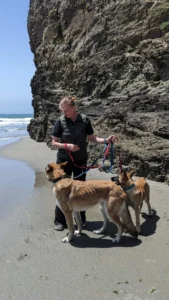
Pain Management Specialist
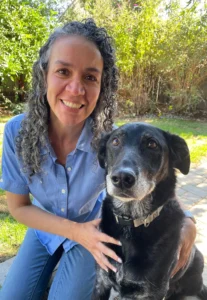
Integrative Medicine Practitioner
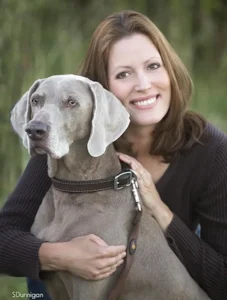
Board-Certified Surgeon
Located at 254 Gibson Drive in Roseville, our family-owned veterinary clinic provides compassionate, five-star care to pets throughout Roseville and the surrounding areas. Led by board-certified surgeon Dr. Erin Paster with over 20 years of experience, our team treats every pet with the same love and respect we would our own.
The information provided on this website has been reviewed by our veterinarians but is for educational purposes only. It should not replace professional veterinary advice, diagnosis, or treatment. If your pet is experiencing a medical concern, please contact our clinic at (916) 773-8578 or seek immediate veterinary care.
New clients only
Give your furry family member the preventive care they deserve. Schedule your pet's comprehensive wellness examination at Stonebridge Veterinary Wellness for only $44.50 — a special rate exclusively for new clients.
Our wellness exams focus on preventive health care to keep your pet healthy and happy. During a wellness visit, our doctors perform thorough physical examinations, discuss your pet's nutritional needs, address any behavioral concerns, and recommend preventive treatments tailored to your pet's age and lifestyle.